
Film · Photography · Theater
Food Props 101: Fake Food for Photo Shoots, Film, and Theater
By the Custom Food Replica team · Authorized US distributor & official partner of Iwasaki, Japan's original food replica makers.
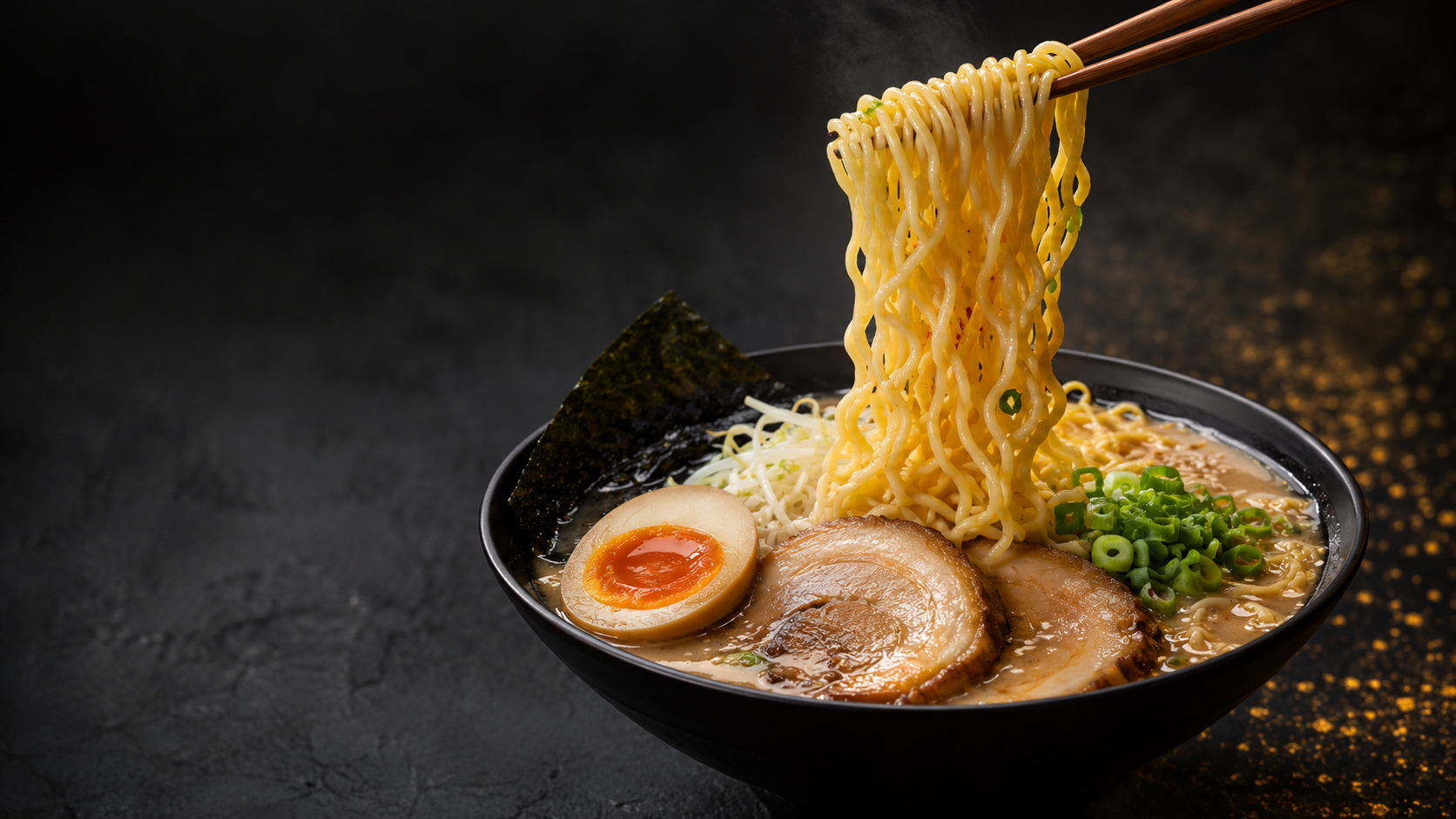
The short version: On a shoot or a stage, real food is a liability. It wilts under hot lights, melts between takes, spoils across a multi-day schedule, and never looks identical twice. Food props — also called prop food or fake food props — solve that: hyperrealistic replicas that hold their look for hours, reset perfectly for every take, and last for years. This guide explains what productions actually need, where replicas beat real food (and where they don't), and how to get realistic prop food built to match your scene.
What are food props?
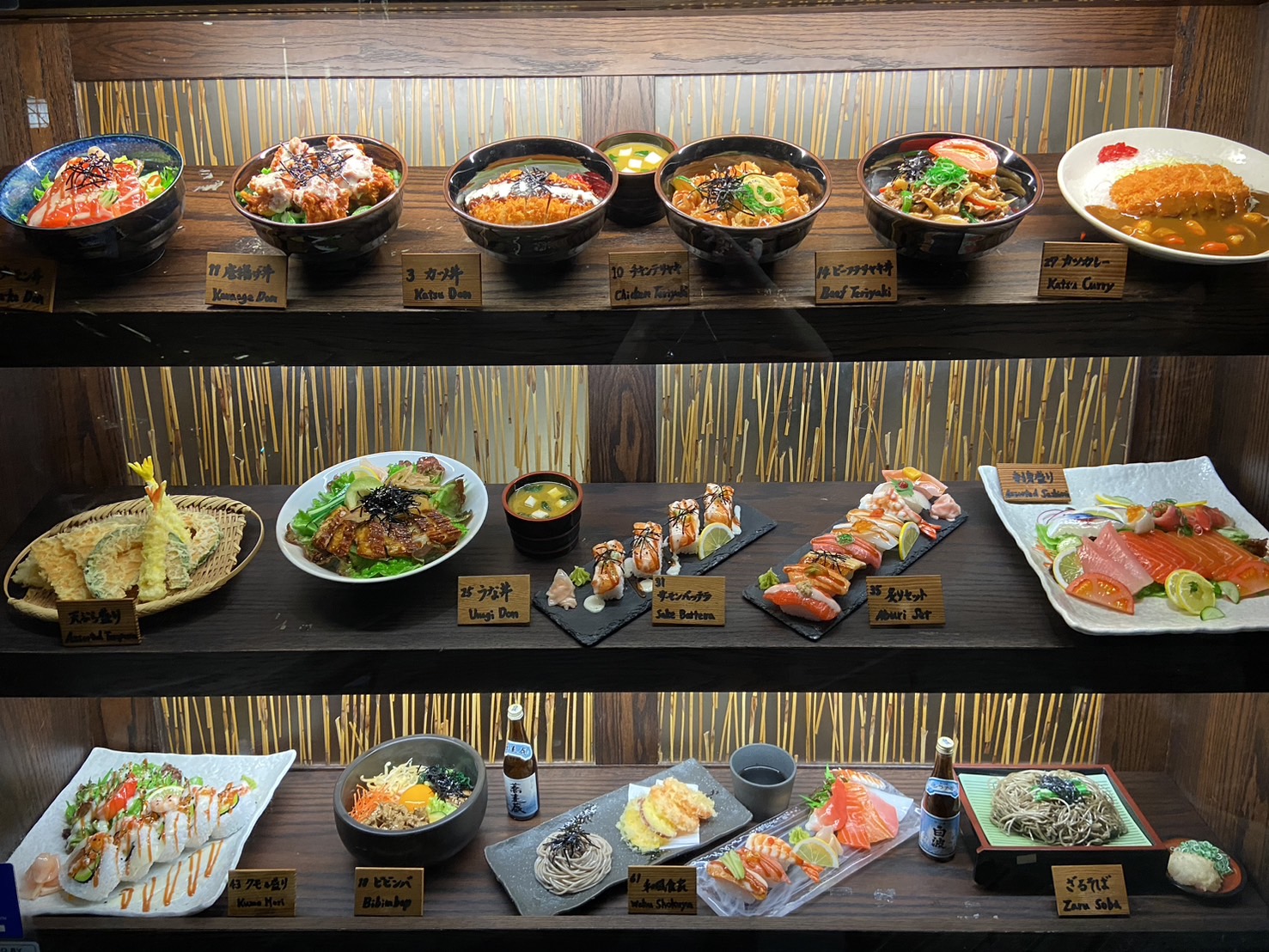
Food props are non-edible, life-sized models of food made to look real on camera or on stage. You'll see the same objects called prop food, fake food props, or artificial food props, and they range from a single hero dish to a full banquet's worth of set dressing. The good ones are not toys. They're sculpted and hand-painted to match a real dish so closely that they read as the genuine article through a high-definition lens.
They exist because food and production schedules are fundamentally at odds. A 30-second dining scene can take a 16-hour day to shoot, a cookbook spread can sit under lamps for hours, and a stage play runs the same dinner scene night after night for months. Real food cannot survive any of that looking fresh. A replica can.
The real problem on a set: continuity and time
Two forces make food props necessary, and both come down to time.
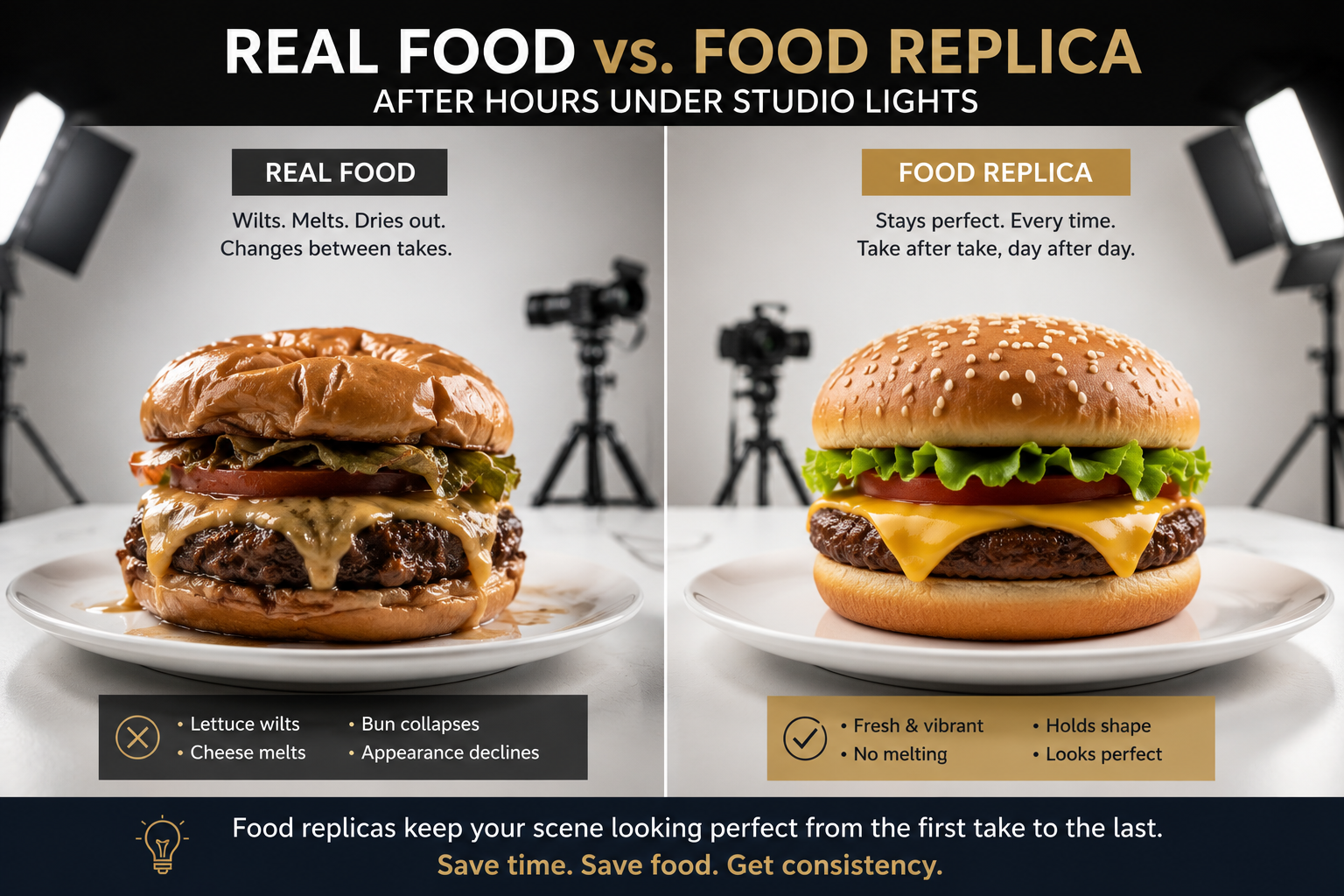
The first is continuity. A scene is shot from many angles, over many takes, sometimes across different days or a reshoot weeks later — and the food has to look identical in every frame or the edit falls apart. A real burger slumps, a salad wilts, ice cream melts in minutes. That's exactly why prop masters famously fake ice cream out of frosting and powdered sugar so it holds its shape take after take. A replica removes the problem entirely: it looks the same in take one and take fifty.
The second is duration under lights. Studio and stage lighting is hot, and food left under it for hours does two bad things: it degrades visually, and it becomes a genuine food-safety issue — one reason actors avoid actually eating most on-screen food. A resin or silicone replica does not wilt, sweat, spoil, or smell, no matter how long the lamps stay on.
Hero food vs. background: where replicas actually win
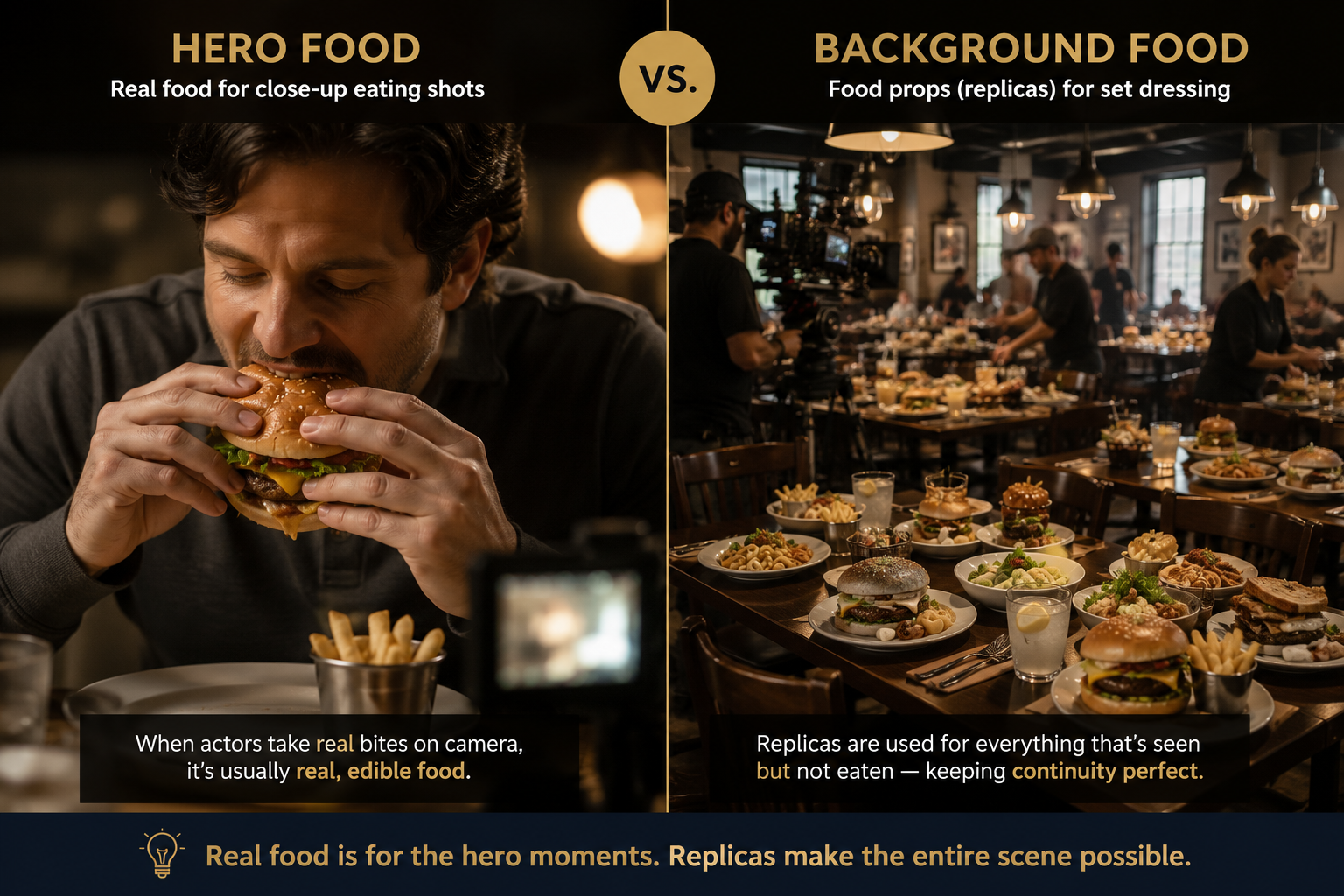
Here's the honest part, because it matters if you work in production. When an actor has to take a real bite on camera in close-up, that's usually real “hero” food (often prepared to look good rather than taste good). High-definition lenses and direct interaction are unforgiving, so productions lean on edible food for those specific moments.
Where replicas dominate is everything else — which is most of what's on screen or on set:
- Background and set dressing: the platters on other tables, the bakery case behind the counter, the feast nobody eats.
- Food that is seen but not eaten: a dish carried across a room, sitting on a counter, filling a window.
- Wide and establishing shots, where a full, perfect spread has to hold for the whole scene.
- Still photography, where the plate has to look flawless for hours of shooting.
- Long-running theater, where the same meal appears night after night.
Used this way, replicas aren't a compromise. They're the tool professionals reach for so the real food budget and the food stylist's time go where they're actually needed.
Food props for photography
In food and product photography, the enemy is time. Ice cream melts, foam collapses, greens wilt, and steam vanishes — often before the lighting is even dialed in. That's why commercial shoots lean on stand-ins and replicas: a model dish holds its exact look for an entire session, so you can shoot it from every angle, relight it, and come back tomorrow without it changing.
Replicas are especially useful for cookbook and menu photography, e-commerce and packaging shots, and social or ad content where the same dish needs to look identical across a whole campaign. A single well-made replica can carry shoot after shoot — which is why hyperrealistic fake burgers and fries show up in fast-food advertising: the food has to look perfect across thousands of frames, and it has to look the same in every market.
Food props for film and television
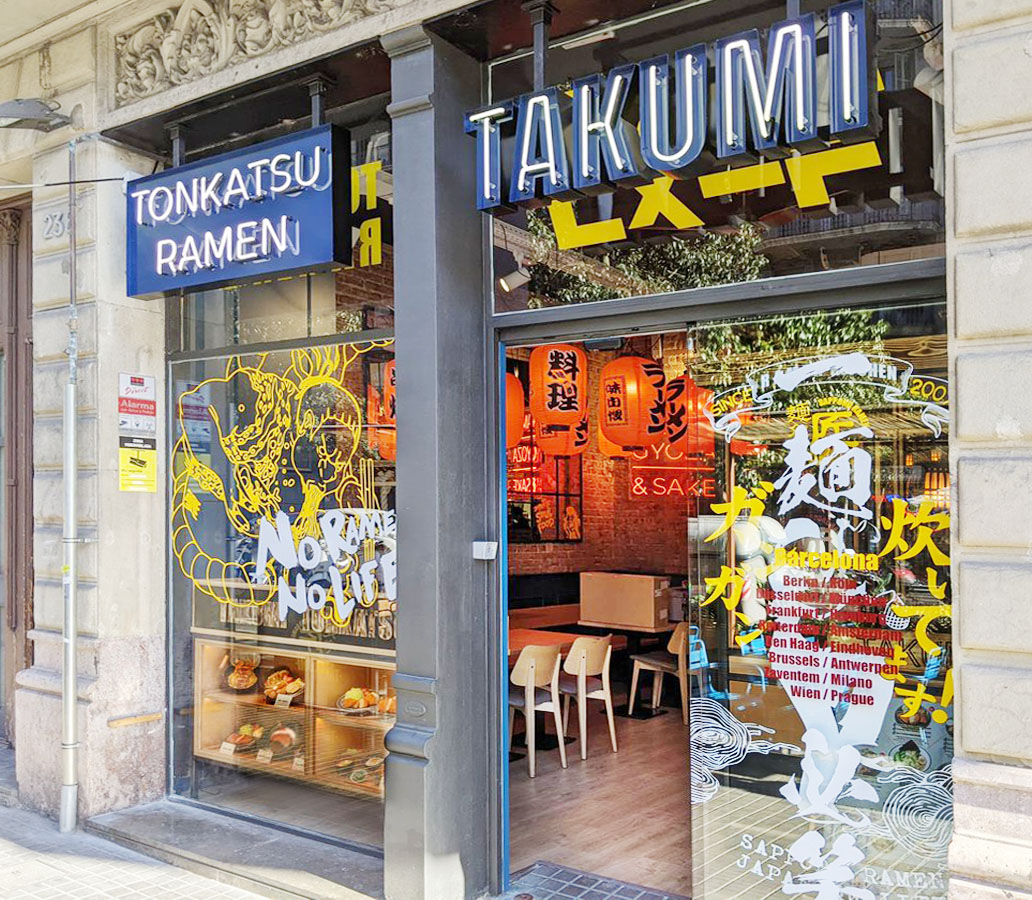
On a film or TV set, replicas mostly live in the world of set dressing and continuity. A restaurant scene might have real hero plates for the leads and replica dishes filling every other table, all of them holding perfectly through a long shoot day. A bakery, a market stall, a banquet, a diner counter: these are built largely from prop food that can be arranged once and left under the lights for as long as the scene takes.
The payoff is continuity and reusability. The same replica dishes look identical across takes, across days, and across a reshoot — and once the production wraps, the prop department cleans and stores them to use again on the next show. For anything that needs to read as food but never has to be eaten, a durable replica is simpler, safer, and cheaper over time than re-cooking real food for every setup.
Food props for theater and live events
Theater is where durability matters most. A show can run the same dinner scene eight times a week for months, with no time to cook, no fridge in the wings, and stage lights beating down every night. Real food spoils, attracts insects, and has to be replaced constantly. A set of replicas gives a production perfect continuity from opening night to closing, survives the entire run, and stores away for the revival. The same logic carries to live events, trade shows, and themed attractions, where food needs to look appetizing indefinitely with zero upkeep.
Why replicas beat real food on set
Pulling it together, here is what a good food prop gives a production that real food cannot:
- Continuity: identical appearance in every take, every day, every reshoot.
- Endurance: no wilting, melting, sweating, or spoiling under hot lights — for a 16-hour day or a six-month run.
- Safety and cleanliness: no bacteria, no odor, no pests, and nothing an actor has to risk eating.
- Reusability: one piece serves shoot after shoot and show after show, which lowers cost over a production's life.
- Exact scale and detail: modeled from a real dish down to the portion, so it reads true in close-up and in wide shots.
- Custom to the scene: matched to a specific dish, cuisine, or period the story calls for.
What makes a prop convincing: materials and craft
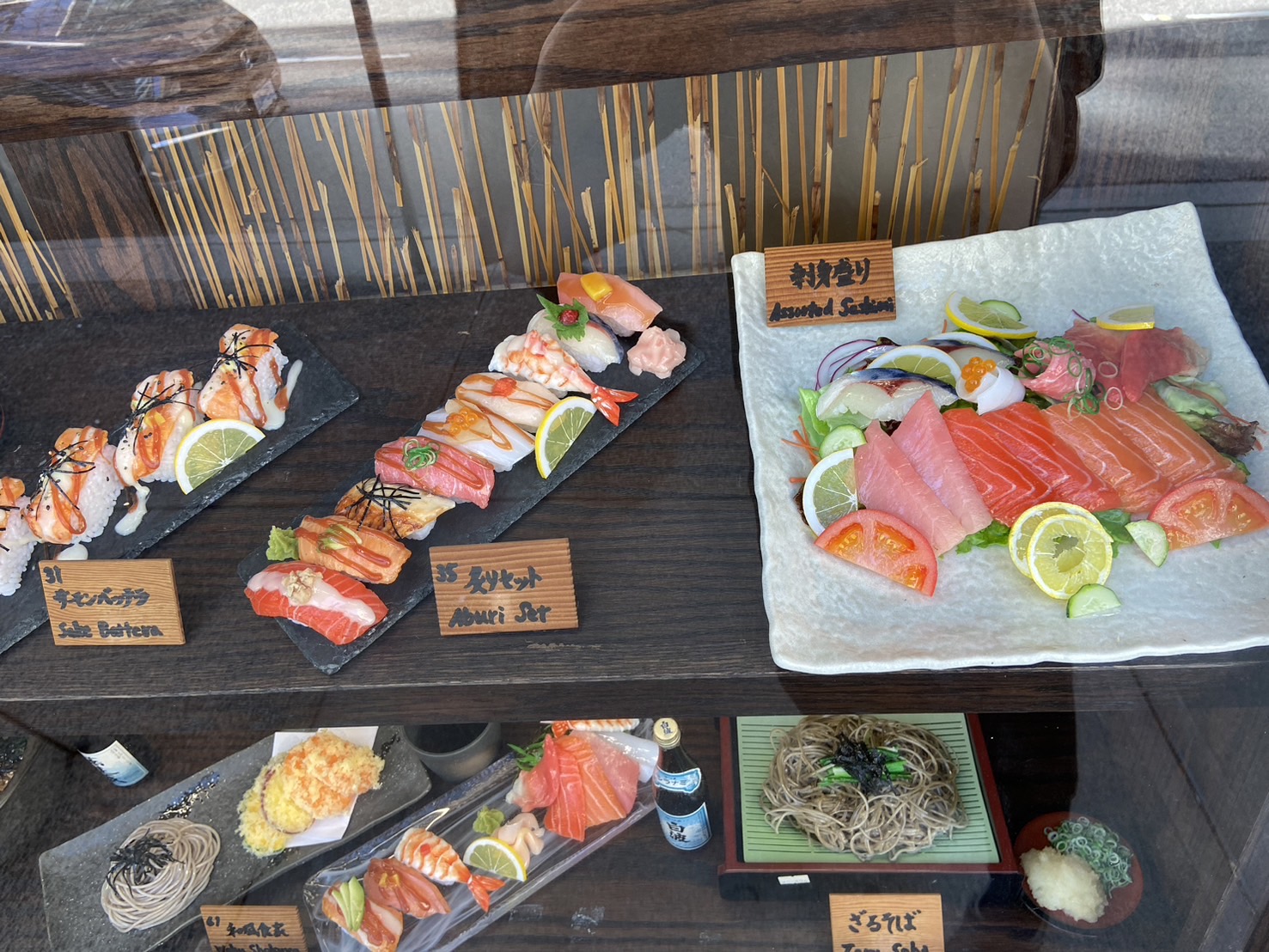
The realism comes down to materials and hands. The best food props are built from durable resin, PVC, and silicone — the same family of materials used in Japan's century-old food replica craft. A mold is taken from a real dish to capture texture at the millimeter level, cast in resin or silicone, then hand-painted and airbrushed to match the exact color, char, gloss, and sheen of the real food. Details like glaze, condensation, and grill marks are built in — and effects that are impossible with real food, like noodles frozen mid-lift or cheese caught mid-drip, are part of the craft.
That level of finish is the difference between a plastic prop that only works far in the background and a hero-grade replica that holds up in a tight, well-lit shot.
Where to get realistic prop food that lasts
You have two options: buy generic off-the-shelf fake food, or commission a custom replica of the exact dish your scene needs. Off-the-shelf works for generic background filler. For anything the camera lingers on — or a dish specific to your story, brand, or cuisine — custom is what reads as real.
That's what we build. Custom Food Replica makes hyperrealistic, made-to-order food replicas matched to your exact dish from photos, plating notes, and samples, and ships them nationwide. As the authorized US distributor and official partner of Iwasaki, the Japanese company at the origin of the food replica craft, we bring genuine sampuru-grade work to U.S. productions, studios, photographers, and theaters — without the cost and lead time of importing from Japan. The pieces are durable enough to reuse for years, which is exactly what a prop department, a photographer, or a long-running show needs.
Food that never spoils, on set or on stage.
Tell us the dish and the scene. We'll quote a custom replica built to match.
Frequently asked questions
- What are food props?
- Food props (also called prop food or fake food props) are non-edible, life-sized models of food used in photography, film, television, and theater. They're built to look real on camera while lasting far longer than actual food.
- Do movies use real or fake food?
- Both. Food an actor actually eats in close-up is usually real 'hero' food, often prepared for looks over taste. Most of the rest — background dishes, set dressing, and anything seen but not eaten — is fake food props that hold their appearance through long shoots.
- What are fake food props made of?
- Usually durable resin, PVC, and silicone. Silicone captures fine texture and detail, and the pieces are hand-painted to match the real dish's color and gloss.
- How long do food props last?
- Well-made replicas last for years. They don't spoil or fade, so they can be reused across multiple shoots, campaigns, or an entire theatrical run and stored between uses.
- How much do food props cost?
- Custom prop food is quoted by dish and complexity. It costs more up front than real ingredients, but because one piece is reused indefinitely, it's usually cheaper over a production's life. Contact us for a quote on your specific scene.
- Where can I buy realistic prop food?
- You can buy generic fake food off the shelf for background filler, or commission custom replicas of your exact dishes for anything the camera focuses on. Custom Food Replica builds made-to-order prop food matched to your scene and ships nationwide in the USA.
About the author
Custom Food Replica is the authorized US distributor and official partner of Iwasaki, the Japanese maker at the origin of the shokuhin sampuru food replica craft. We build hyperrealistic, made-to-order food replicas for U.S. restaurants, food trucks, and productions — each sculpted and hand-painted to match a client's exact dishes and shipped nationwide.
Sources
- Mental Floss, “Secrets of Hollywood Food Stylists” — how HD lenses and direct actor interaction shifted real vs. prop food use.
- In The Know / Yahoo interview with prop master Scott Reeder — continuity, the 16-hour shoot for a 30-second scene, and the fake-ice-cream technique.
- Insider food-styling reporting — “hero” food, and why on-screen food is often unsafe to eat under hot lights.
- The Fake Food Cookbook: Props You Can't Eat for Theatre, Film, and TV — theater continuity, spoilage, and durability.