
Guide · History & craft
Fake Food, Real Craft: The History of Japanese Replica Food (Shokuhin Sampuru)
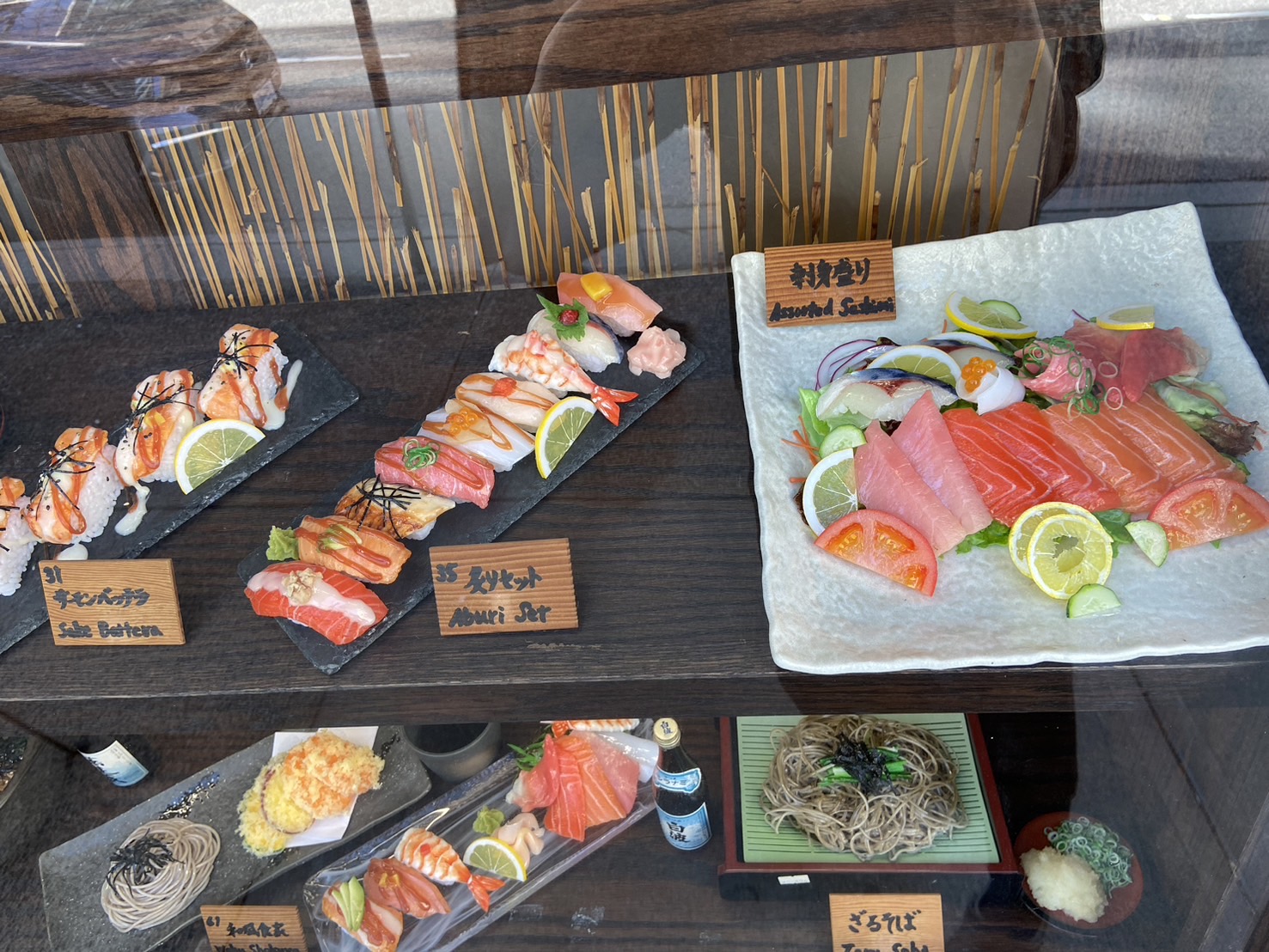
The short version: the astonishingly lifelike fake food in Japanese restaurant windows is called shokuhin sampuru, a century-old craft of hyperrealistic replica food. What began in the 1920s as a way to explain unfamiliar dishes to city diners grew into an art form now shown in major museums. This guide covers what it is, where it came from, how it's made, and how U.S. businesses get it today.
Fake food, faux food, replica food, sampuru: what's the difference?
Short answer: they are mostly the same thing. Fake food and faux food are the casual English names for the hyperrealistic food models displayed outside restaurants. Replica food, food replica, and realistic food are the more precise terms for the same objects, and the craft's original name is Japanese: shokuhin sampuru. You will also see them called food models, artificial food, plastic food, or — in film, TV, and photography — food props and prop food. Restaurants and museums often call the finished pieces an imitation food for display or an artificial food display. All of these describe three-dimensional, life-sized models of dishes, built to look so much like the real meal that passersby routinely mistake them for the genuine article.
One clarification, since “fake food” is an ambiguous phrase: here it means display replica food — a faux food model made for a window, counter, or set — not junk food or artificial ingredients. Everything below is about the replica-food craft.
What is shokuhin sampuru?
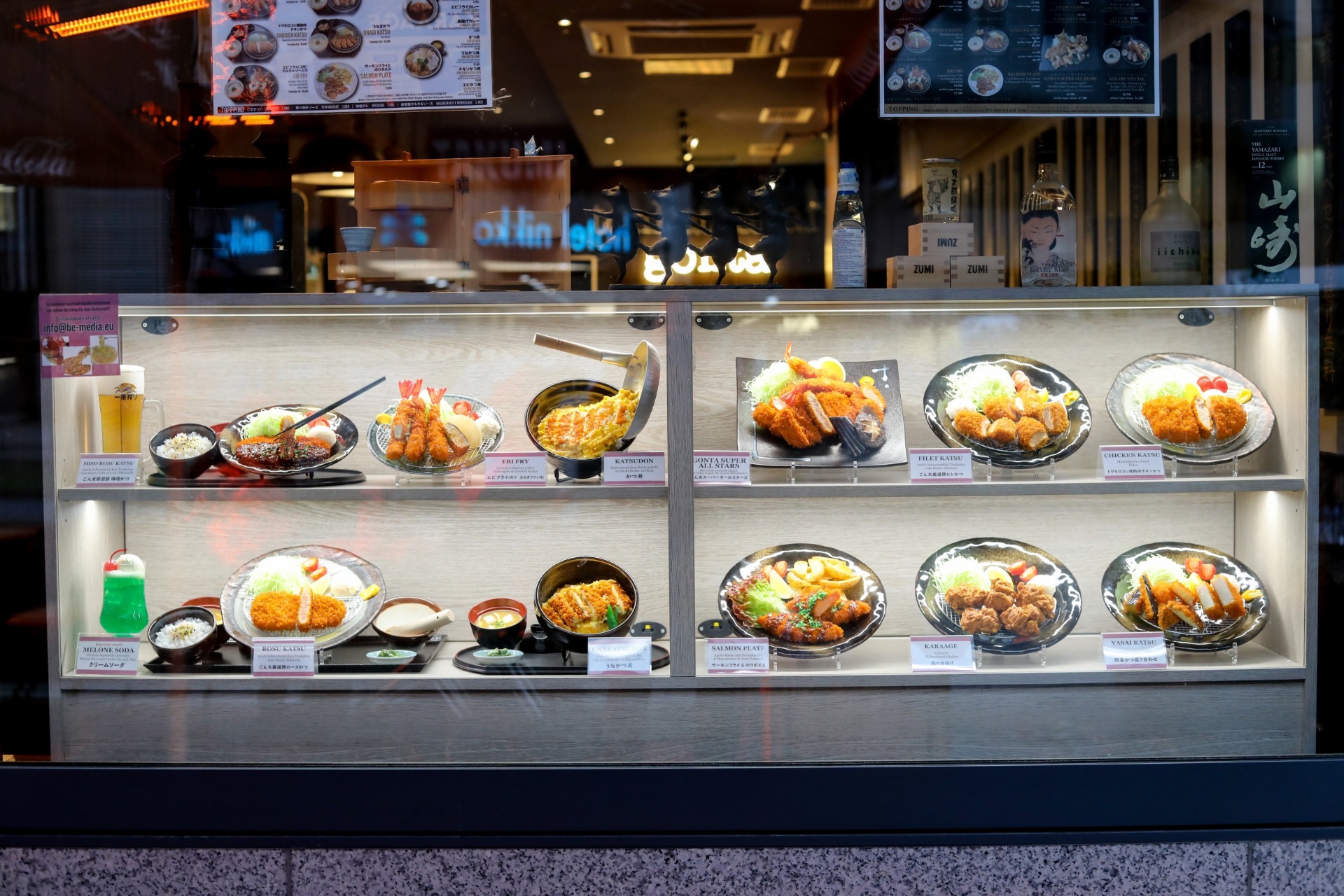
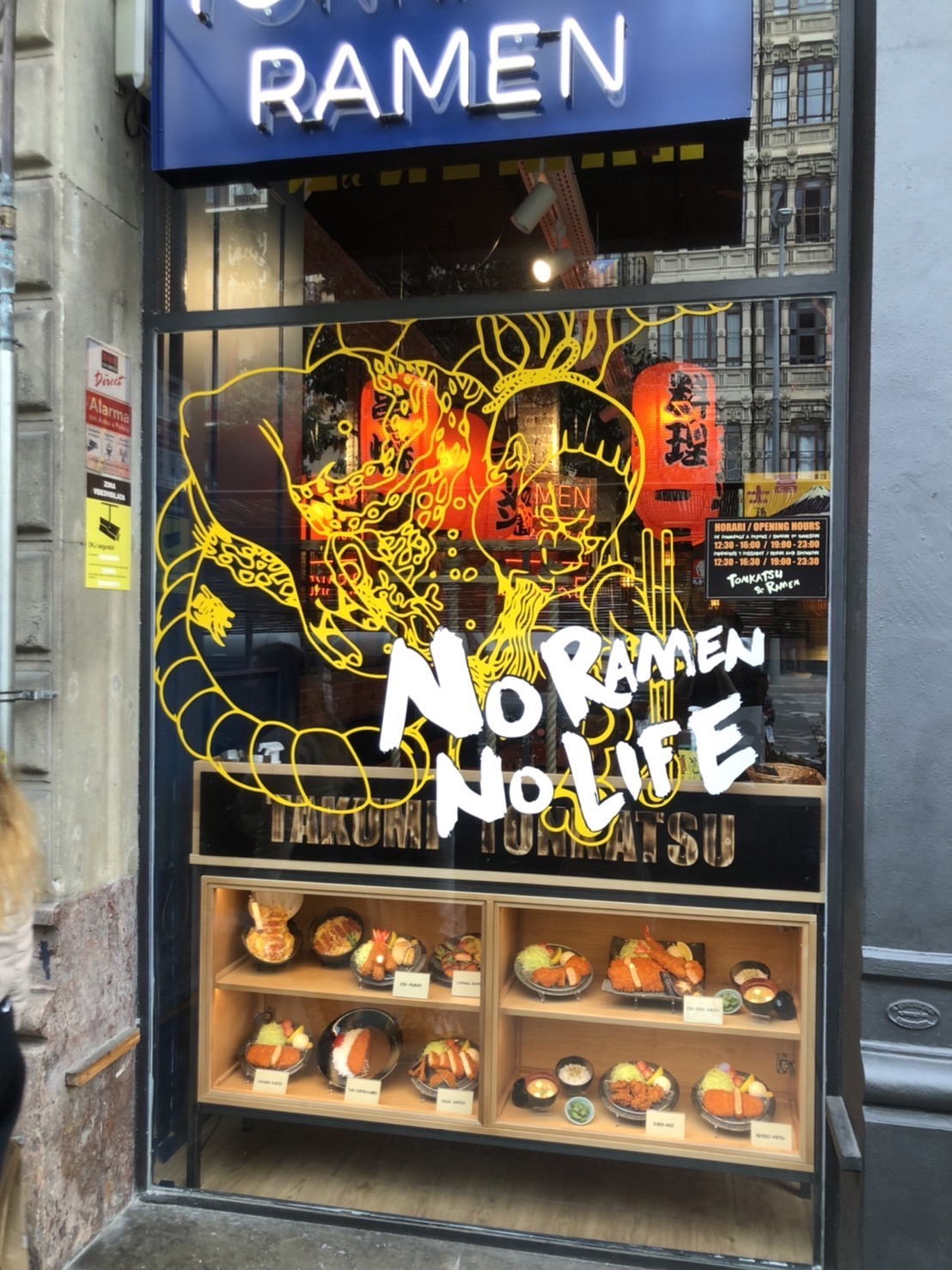
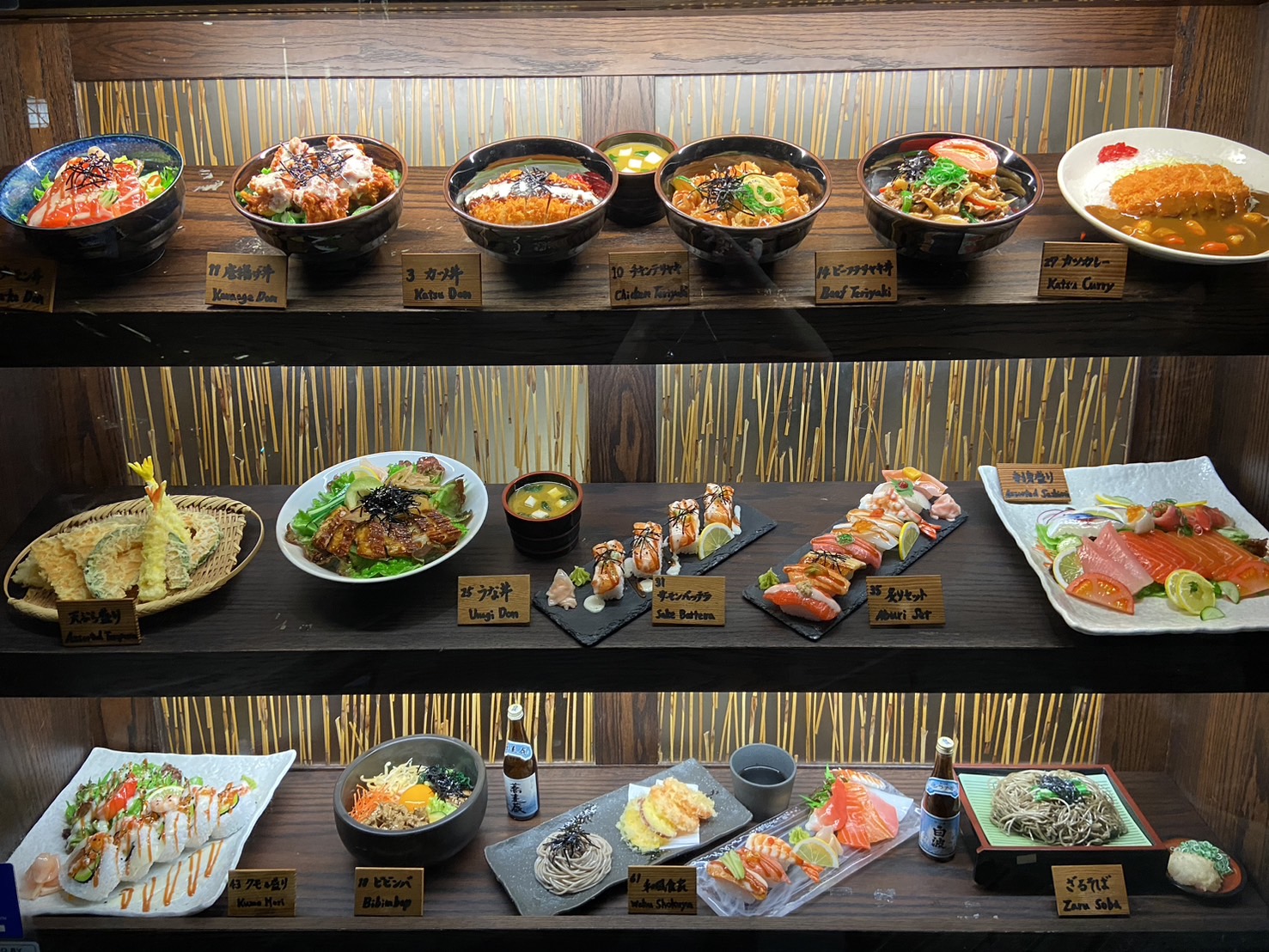
Shokuhin sampuru (食品サンプル) translates roughly to “food sample.” The word sampuru is itself a Japanese rendering of the English word sample, which tells you something about the era it was born in: a moment when Japan was rapidly absorbing Western influences. These replica food pieces are displayed in windows and cases outside restaurants, ramen shops, cafes, and department-store cafeterias throughout Japan, where they work as a wordless, three-dimensional menu. A diner can see the exact dish, its portion, and its plating before stepping inside or reading a word.
The origins: explaining a changing menu to a changing city
Sampuru emerged in the 1920s, during a period of rapid modernization that pulled large numbers of rural workers into Japan's growing cities. Department stores opened public cafeterias to feed this new class of urban diner, and the menus were often bewildering. Alongside traditional dishes, they featured Western imports that were fashionable but unfamiliar to most Japanese people at the time, including curry rice, omelets, croquettes, beef stew, and tonkatsu. Restaurants needed a way to show diners what these foreign-sounding foods actually were, rather than just describe them. A realistic model solved the problem instantly.
It is worth noting that the craft also grew from deep roots in Japanese making. Long before the Meiji era, produce vendors displayed samples of seasonal vegetables, and Japanese craft traditions had long prized art that mimics life at miniature scale, as in netsuke carvings, and the careful, almost sculptural plating of kaiseki cuisine. Sampuru sits at the meeting point of a practical marketing need and a culture already fluent in visual food presentation.
Who invented it? The Iwasaki story, and the honest caveat
The most widely told origin story credits Takizo Iwasaki (1895 to 1965). As the account goes, Iwasaki was inspired watching candle wax drip and set on the tatami floor of his home, and after months of trial and error he produced a wax omelet so convincing that his own wife could not tell it from the real thing. In 1932 his wax omelet, a model of omurice (an omelet over rice with tomato sauce), was used in a display at an Osaka department store, and the crowds it drew launched a business. Iwasaki founded the company today known as Iwasaki (Iwasaki Be-I / Iwasaki Mokei Seizo) in his hometown of Gujo Hachiman, in Gifu Prefecture. The firm remains the industry leader, estimated at well over half of Japan's sampuru market. Iwasaki's role is well enough known that Google marked his 121st birthday with a Doodle in 2016.
Here is the honest part that a lot of write-ups skip: Iwasaki is best described as the person who popularized and refined modern sampuru, not the sole inventor. Historians note that department-store cafeterias in cities like Tokyo were already crafting basic food models in the 1920s. One competing account credits Soujiro Nishio, said to have made early food models in Kyoto around 1917 after working for a company that produced plant and anatomical models. Another traces the idea to a department store that commissioned a maker of anatomical models to solve the same display problem. What is clear is that the painstaking work Iwasaki did in the 1930s crystallized the modern craft and spread it nationwide.
From wax to resin: the material evolution
The earliest sampuru were made of wax. Wax could be shaped and colored, but it had an obvious weakness: it softened and warped in summer heat and faded in sunlight, which is a serious problem for objects meant to sit in a display window all day. The durability breakthrough came with plastic. Beginning around the late 1970s, durable polyvinyl chloride (PVC) and other resins started to replace wax. These synthetic materials held fine detail, took paint well, and could withstand years of light and handling without degrading. Today most high-quality replicas are made from PVC and resin, often combined with silicone in the molding stage, which is what allows a modern piece to last for years, and often a decade or more with proper care.
How is shokuhin sampuru made?
Despite the industry's scale, the craft remains overwhelmingly handmade. Industry accounts estimate that the large majority of replicas are still produced by hand by skilled artisans, and a single complex dish can take one to three days to complete. The process is a fusion of culinary observation and sculptural skill, and it usually runs like this (for the full step-by-step version with process photos, see how food replicas are made):
- Start with the real dish. A restaurant provides an actual, properly plated example of the food (or detailed photos and plating notes). The artisan studies it closely: the exact color, the char, the gloss, the portion, the way it sits on the plate.
- Make the mold. A silicone mold is taken from the real components. Fine textures get captured directly, for example by pressing real ingredients into a molding compound so that every ridge and surface irregularity transfers.
- Cast the piece. Liquid PVC or resin is poured into the mold and cured, often with heat, producing a pale, lifeless blank that has the right shape but none of the color.
- Hand-paint the detail. This is the step that separates a convincing replica from a toy. Artisans airbrush and hand-paint each piece, building up color and shading down to the level of individual grains of rice, the sear on a piece of meat, or the translucency of a slice of fish.
- Assemble and plate. Finally the components are arranged exactly as the dish is served, because presentation is the whole point. This stage is also where the signature illusions come in: chopsticks or a fork that appear to float while lifting noodles, the drip of melting cheese frozen mid-fall, the sheen of a glaze, or the suggestion of steam and condensation.
The goal, as sampuru makers describe it, is not just to copy how food looks but to capture its sensory memory: the crispness you expect from onion skin, the freshness you read in a slice of fish. That is why the best pieces make you hungry rather than merely impressed.
Why the craft endured
Sampuru could have faded as photography and digital menus improved. It didn't, for a few reasons.
The first is pure function. A three-dimensional model communicates a dish faster and more convincingly than any photo, and it does so without spoiling, wilting, or violating health codes. After World War II, sampuru became a practical bridge for American service members who could not read Japanese menus, and that same language-bridging value returned in force as international tourism to Japan grew from the 1980s onward. A visitor who cannot read the menu can simply point at the model.
The second is cultural. Sampuru speaks to a value often summarized as anshin, a sense of reassurance and predictability. Seeing exactly what you will receive, before you order, removes uncertainty, which is a quietly powerful thing in hospitality.
The third is that the objects became art. Their hyperrealism has fascinated the art world for decades. Japanese food replicas were shown at the Victoria and Albert Museum in London, entered the collection of the Museum of Modern Art in New York, and in 2025 became the subject of the first major U.S. exhibition dedicated to the craft, at JAPAN HOUSE Los Angeles. A functional advertising tool had become, without ever meaning to, a recognized form of pop art.
Where the craft lives today
Two places anchor the industry. Gujo Hachiman, the mountain town in Gifu Prefecture where Iwasaki set up shop, is regarded as the capital of sampuru and produces a large share of Japan's food models. Its workshops now draw tourists, and several offer hands-on classes where visitors can make their own wax or plastic food. In Tokyo, the Kappabashi district (often called Kitchen Town), near Asakusa, is the retail heart of the trade, lined with shops selling both professional replicas and the souvenir market that grew up around them: sushi magnets, tempura keychains, food-shaped phone cases, and more.
The industry is substantial. Reporting has valued it in the tens of millions of U.S. dollars annually, serving a country with well over a million restaurants, and handcrafted custom pieces can cost many times the price of the real dish they imitate. That premium reflects what the work actually is: not manufacturing, but craft.
Shokuhin sampuru in the United States: where to commission it
For a long time, a U.S. business that wanted true sampuru had one real option: import it from Japan, with the cost, lead time, and logistics that came with shipping fragile custom pieces across an ocean, and quoting a project from thousands of miles away.
That has changed, and it is why this history is personal for us. Custom Food Replica is the authorized US distributor and official partner of Iwasaki, the very company at the center of the story above. The replicas we provide are made by Iwasaki's artisans in Japan, the same molding, casting, and hand-painting tradition described earlier, and we handle the US side: coordinating your custom build, managing import and logistics, and supporting you here at home.
For an American business, that means you get the genuine article rather than a lookalike, without importing it yourself. Pieces are still sculpted and hand-painted to match your specific dish from plating notes, photos, and food samples, so the char, gloss, and portion match the real plate. What is different is the friction: you work from your own samples, get your project quoted directly, and receive it shipped across the country, without the barriers that come with an overseas order.
The application has broadened too. In Japan, sampuru mostly lives in restaurant windows. In the U.S., the same craft now shows up on food-truck counters, in pre-opening restaurant windows built to generate hype during construction, and in brand activations and trade-show displays, anywhere a business needs food that looks perfect and never spoils.
If you are a U.S. operator exploring this, we bring the Iwasaki craft to you and ship nationwide. You can tell us about your dishes or see the guides we've written for food trucks and restaurant launches.
The takeaway
Shokuhin sampuru is one of those rare inventions that solved a narrow practical problem, explaining unfamiliar food to city diners in 1920s Japan, and quietly became a century-old craft and an art form along the way. The wax has become resin and the market has crossed oceans, but the core has not changed: a human artisan, studying a real dish, and rebuilding it by hand so faithfully that it makes you hungry. That is the tradition every good food replica still belongs to.
Frequently asked questions
About the author
Custom Food Replica is the authorized US distributor and official partner of Iwasaki, the Japanese maker at the origin of the shokuhin sampuru craft. We bring genuine Iwasaki-made food replicas to U.S. restaurants, food trucks, and pre-opening venues, each sculpted and hand-painted to match a client's exact dishes and shipped nationwide.
Sources
- JAPAN HOUSE Los Angeles, “Looks Delicious! Exploring Japan's Food Replica Culture” and related articles: history, craft process, and cultural role of sampuru.
- Wikipedia, “Takizo Iwasaki”: biography, the 1932 Osaka display, and Iwasaki's company and market share.
- Apollo Magazine and TODAY: material history (wax to plastic) and the handcrafted molding, casting, and painting process.
- Reporting on the craft's centers (Gujo Hachiman and Tokyo's Kappabashi) and on its recognition as art (Victoria and Albert Museum, Museum of Modern Art).
Keep reading