
Craft & Process · Shokuhin Sampuru
How Are Food Replicas Made? Inside the Shokuhin Sampuru Process
By the Custom Food Replica team · Authorized US distributor & official partner of Iwasaki, Japan's original food replica makers.
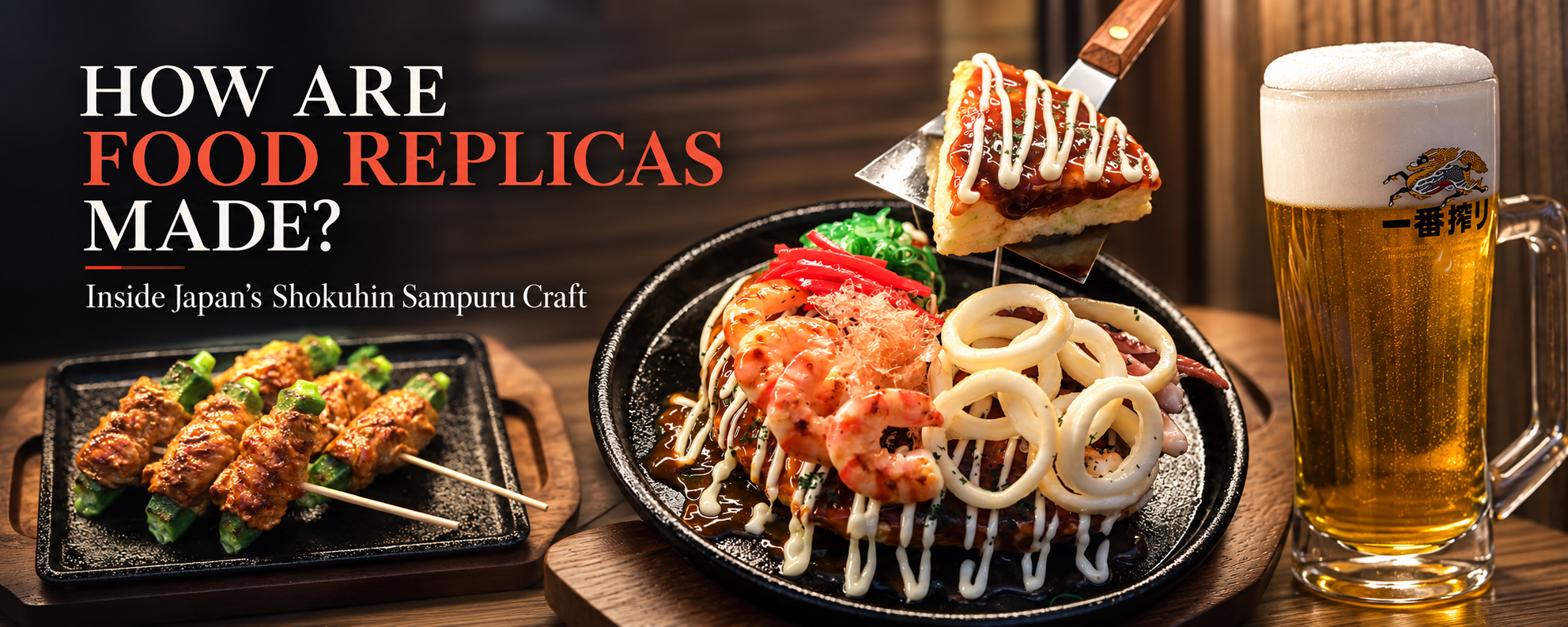
Quick answer
Food replicas are made by hand in six main steps: an artisan studies a real dish, takes a silicone mold from the actual food, casts the shape in resin or PVC, hand-paints and airbrushes every detail, assembles the piece exactly as the dish is plated, and adds finishing effects like gloss, steam, or suspended noodles. The craft, known as shokuhin sampuru, is still largely done by hand, and a complex dish can take one to three days to complete.
Key facts
- Food replicas are molded from real dishes, cast in resin or PVC, then hand-painted by artisans.
- The craft is called shokuhin sampuru and dates to 1930s Japan.
- Most food replicas are still made by hand, not mass-produced, which is why they look real.
- Custom Food Replica is the authorized US distributor and official partner of Iwasaki, the origin of the craft.
What food replicas are made of
Modern food replicas are made from durable synthetic materials: mainly PVC and resin for the pieces, with silicone used to make the molds. Early replicas, going back to the 1930s, were made of wax, but wax melted in heat and faded in sunlight, so from around the late 1970s the craft moved to durable plastics that hold fine detail and last for years. This is the shokuhin sampuru tradition, a Japanese craft explained in full in our guide to shokuhin sampuru.
The important thing to understand before the steps: this is craft, not manufacturing. A silicone mold captures shape and texture, but the realism, the char, the gloss, the translucency of a fish slice, comes from a human artisan painting each piece by hand.
How food replicas are made, step by step
Step 1: Study the real dish
A food replica is copied from real food, so this reference decides everything that follows.
Every replica starts from an actual, properly plated dish, or from detailed photos and plating notes when the real food cannot be shipped. The artisan studies the exact color, portion, char, and the way the food sits on the plate.
Step 2: Make the silicone mold
A mold records the real food's texture, which is what makes the result convincing rather than generic.
A silicone mold is taken from the real components to capture their shape and surface. Fine texture transfers directly, often by pressing real ingredients into the molding compound, so every ridge and irregularity of the original shows up in the copy.
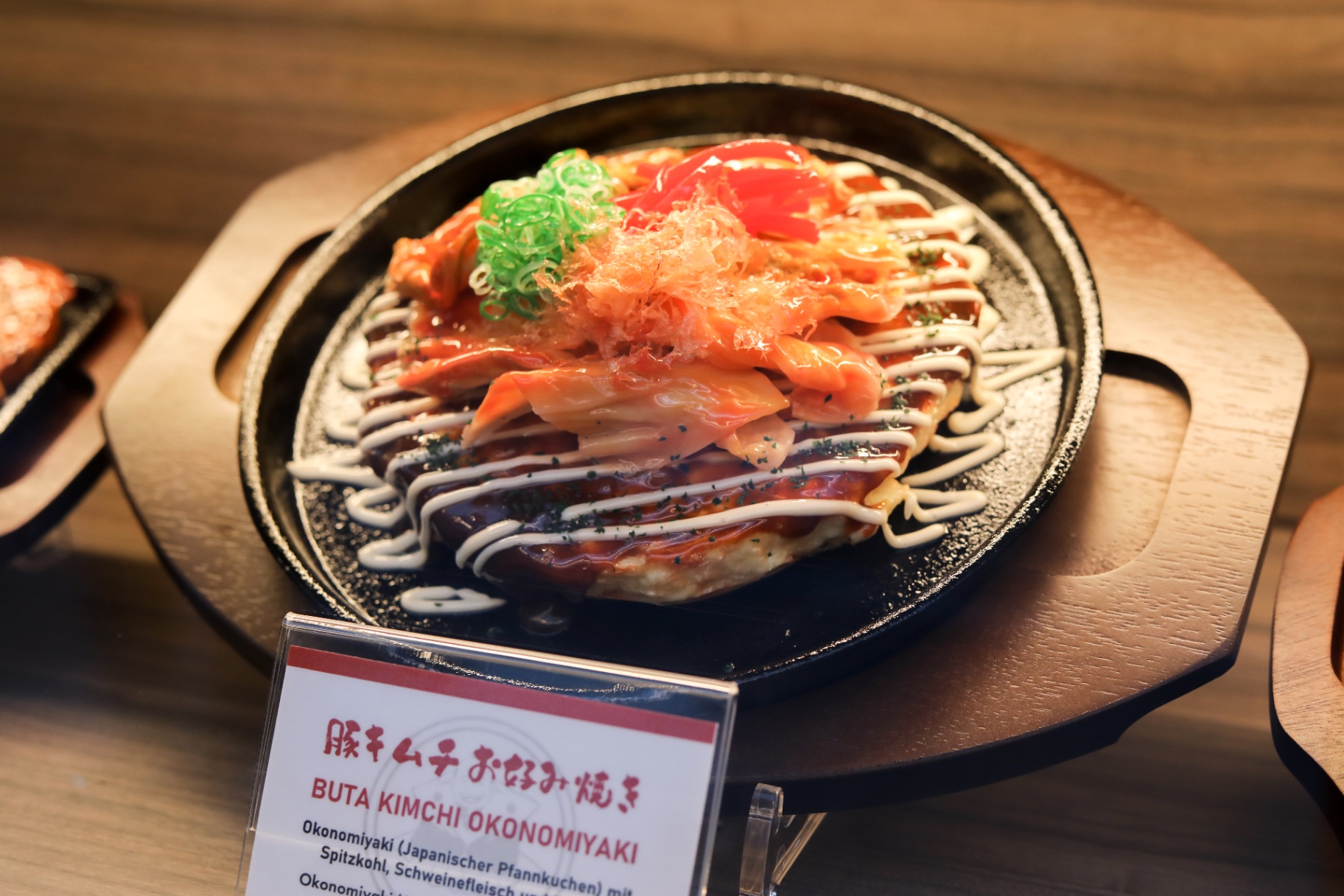
Molded texture taken from the real dish is what keeps a replica from looking generic. Step 3: Cast the piece
Casting creates the blank shape, and nothing about it looks like food yet.
Liquid PVC or resin is poured into the mold and cured, usually with heat, producing a pale, colorless blank with the right shape but none of the life. This is the halfway point most people never see.
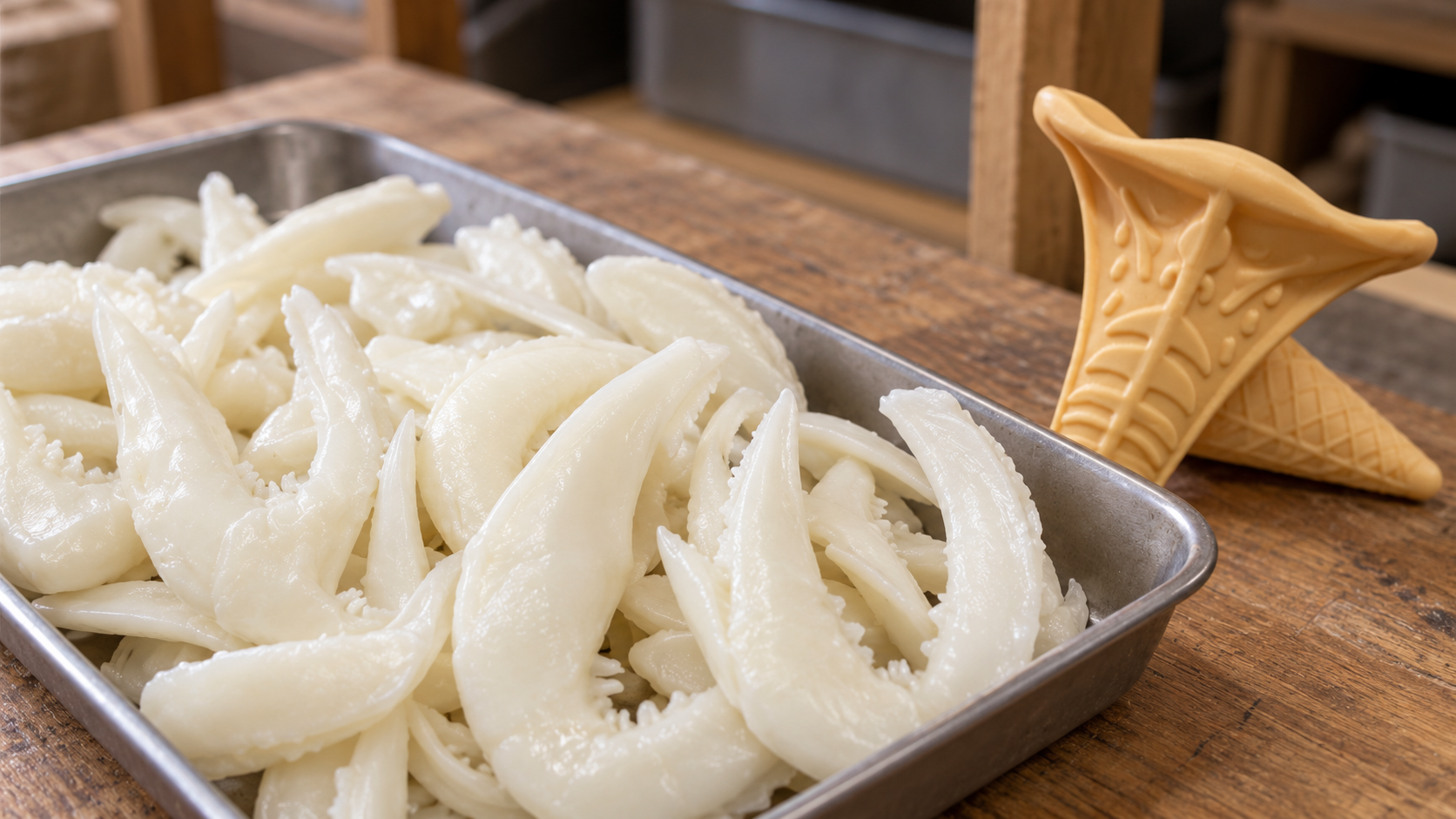
Fresh casts: the right shape, none of the life. Everything after this is done by hand. Step 4: Hand-paint and airbrush
Hand-painting builds the realism, which is why no two handmade pieces are identical.
This is the step that separates a real replica from a toy. Artisans airbrush and hand-paint each blank, building up color, shading, and highlights down to the level of individual grains of rice, the sear on a cut of meat, or the translucency of sashimi.
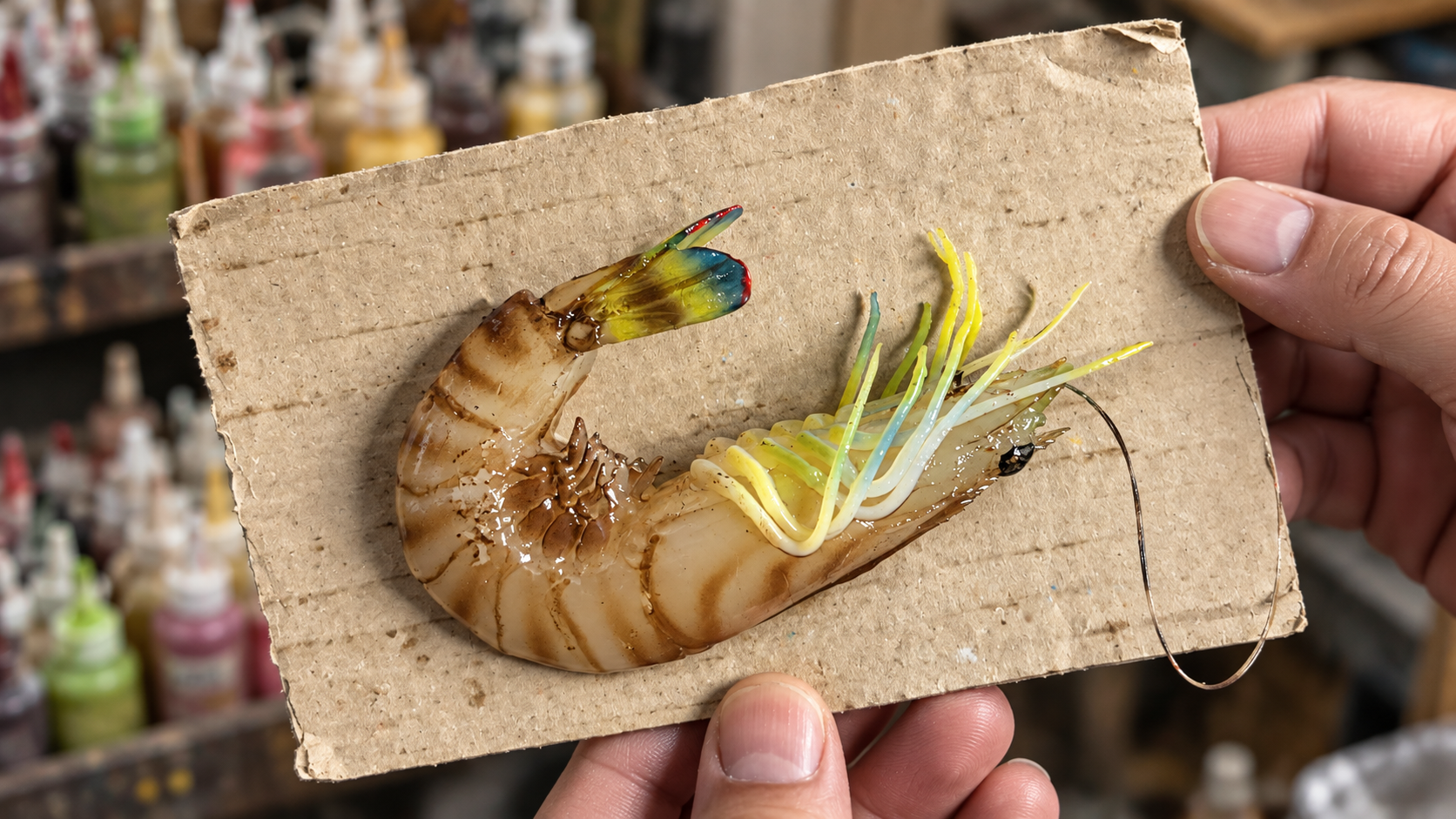
Color, shading, and translucency are airbrushed and painted piece by piece. Step 5: Assemble and plate
Assembly recreates the plating, so the replica reads as a served dish rather than a set of parts.
The finished components are arranged exactly as the dish is served, because presentation is the whole point. A ramen bowl gets its broth, toppings, and noodles composed the way a cook would build it.
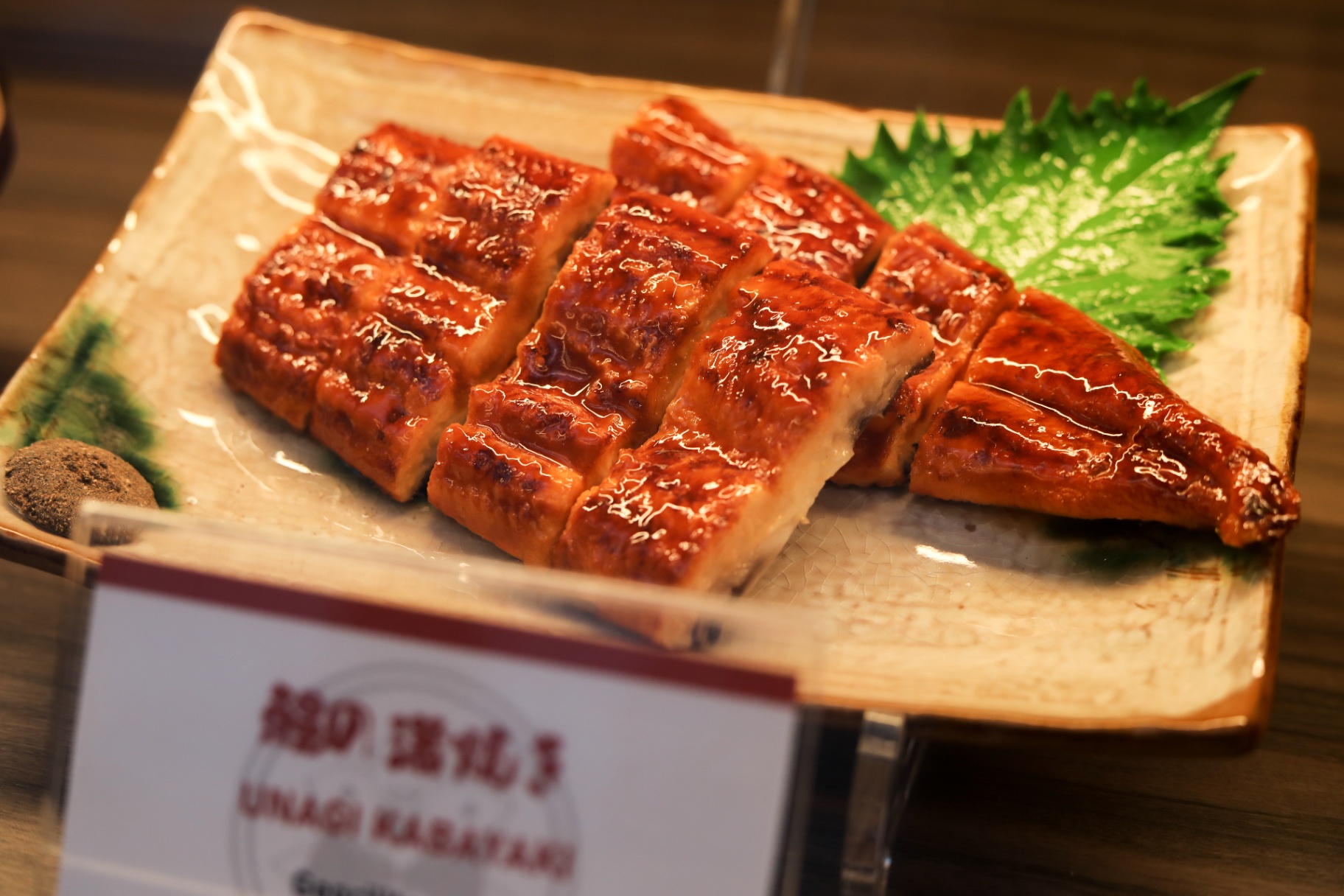
Components are plated exactly the way the dish is served. Step 6: Add the finishing effects
Finishing effects capture motion that real food cannot hold, which is the signature of the craft.
Last come the illusions that make people stop: a glossy glaze, the suggestion of steam or condensation, cheese caught mid-drip, or chopsticks that appear to float while lifting noodles.
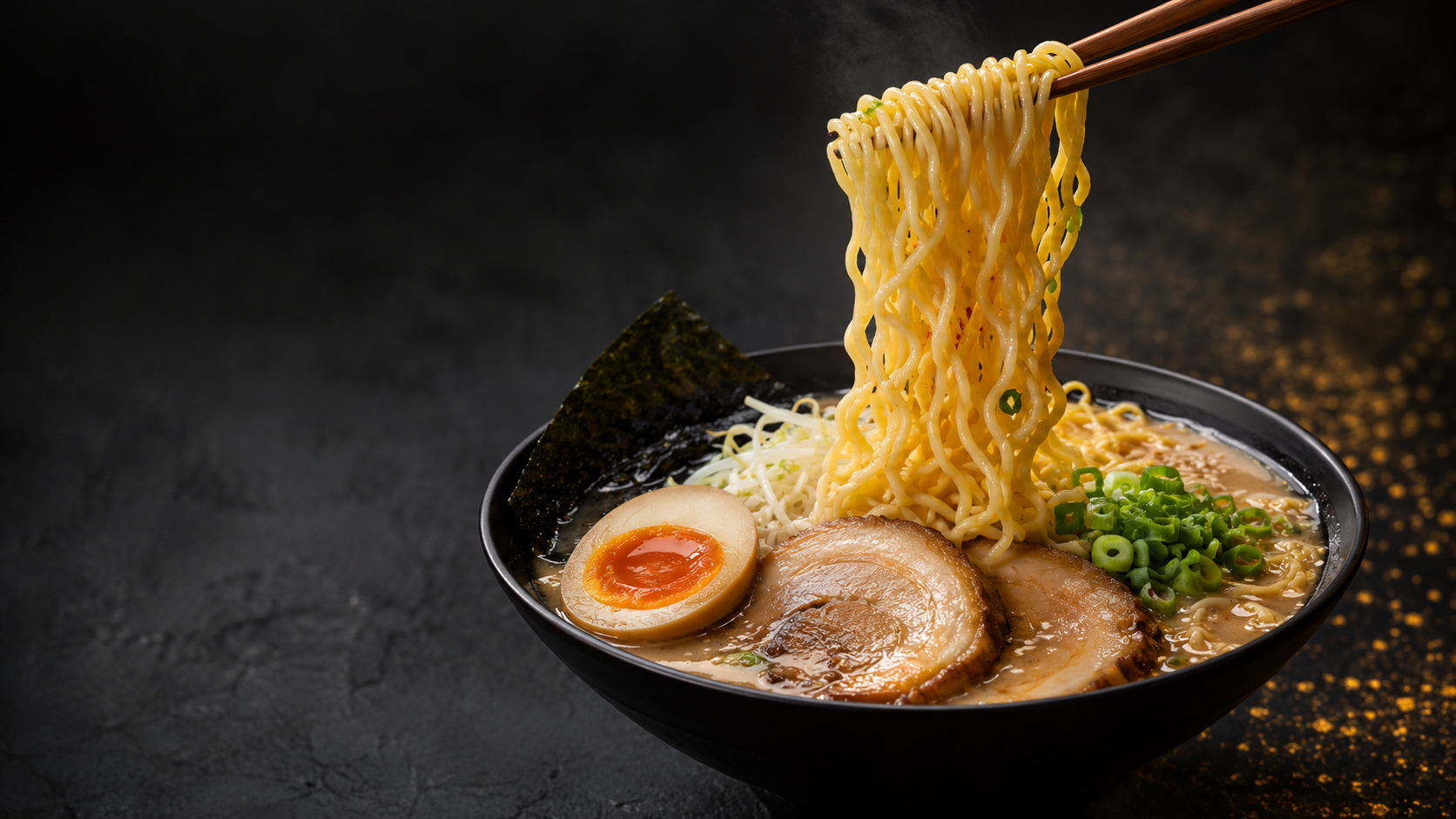
Suspended noodles: motion frozen in place, the effect the craft is famous for.
How long does it take, and why is it still done by hand?
A single complex dish can take one to three days from mold to finished piece. The craft has stayed handmade because the realism depends on human judgment: matching a specific color, painting a believable char, composing a plate the way a cook would. Machines can pour a generic shape, but they cannot make a passerby reach out to check whether it is real. That is why genuine replicas are made by artisans, one at a time, and why they cost more than mass-produced pieces, a difference covered in why where your replica is made matters.
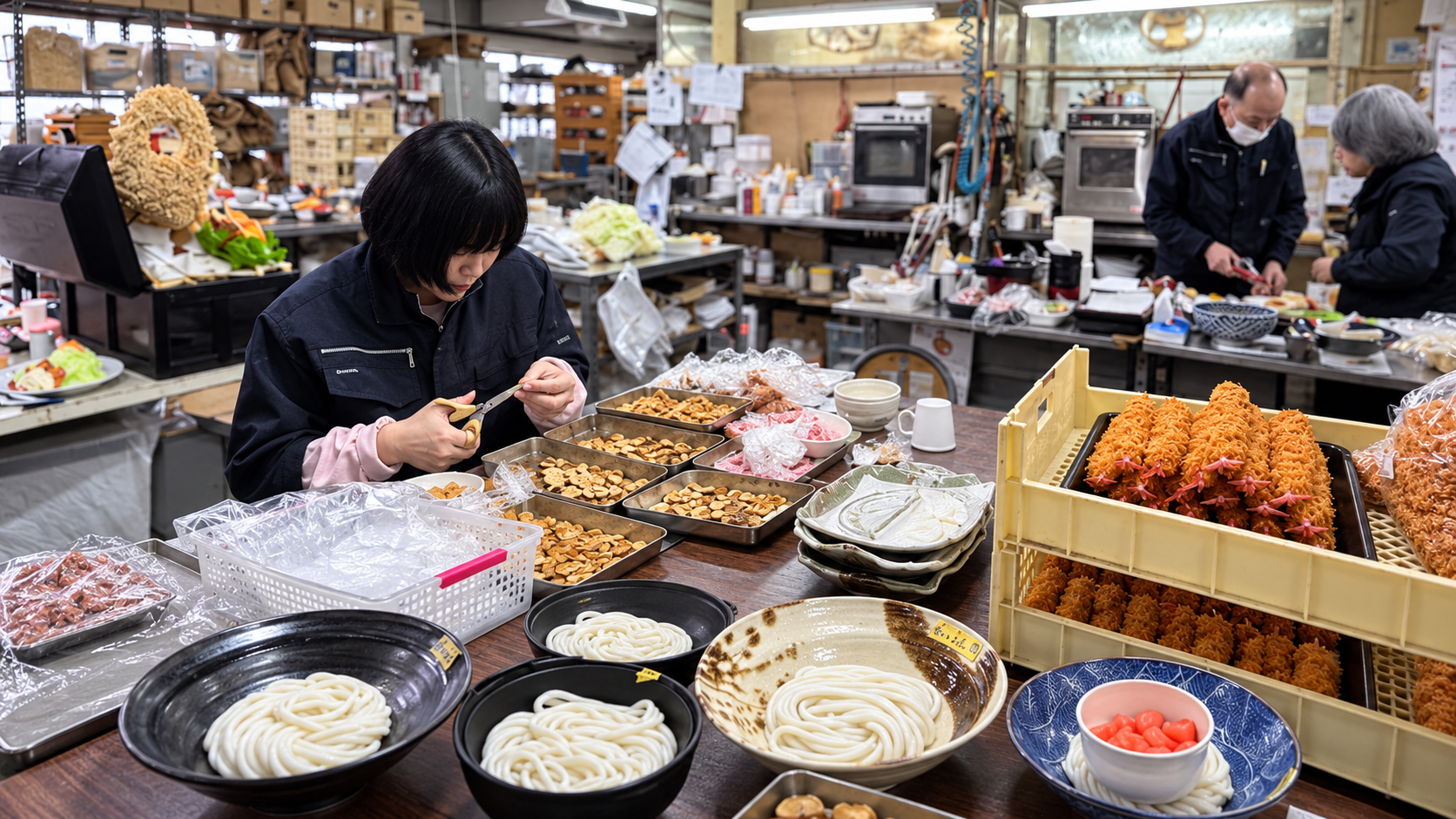
How CFR makes your replica
Our process follows exactly these steps, customized to your dish. You send photos, plating notes, and where possible a physical food sample. Iwasaki's artisans in Japan, the makers at the origin of the craft, build the piece by hand to match your plating, and we handle import and ship it nationwide. Because the replica is molded and painted from your specific dish, it matches your portion and presentation rather than a generic version. You can see finished work on our restaurant displays page.
Pricing is all-in and starts at $400 per piece, with the per-piece price coming down as an order fills our shipping containers. See the full cost breakdown or get a quote.
One note on care: replicas are built for indoor display. Keep them out of direct all-day sunlight, dust them gently, and bring outdoor or food truck pieces inside after service. Most displays stay showroom-fresh for 3 to 5 years, and well-maintained pieces last 10 years or more.
The bottom line
Food replicas look real because they are made like art, not like plastic parts: molded from a real dish, cast, and then brought to life by hand, one brushstroke at a time. That human craft is the whole reason a good replica can stop someone on the street, and it is a tradition nearly a century old.
Want your dish made by hand in Japan?
Genuine Iwasaki craft, all-in from $400 per piece, shipped nationwide.
Frequently asked questions
- How are food replicas made?
- An artisan studies a real dish, takes a silicone mold from the actual food, casts it in resin or PVC, hand-paints every detail, assembles it to match the plating, and adds finishing effects like gloss or steam.
- What are food replicas made of?
- Mainly PVC and resin, with silicone used for the molds. Early replicas were made of wax, but the craft switched to durable plastics around the late 1970s.
- Are food replicas made by hand or by machine?
- Mostly by hand. Molds and casting are mechanical steps, but the painting and assembly that create the realism are done by hand, which is why quality pieces look convincing.
- How long does it take to make a food replica?
- A complex dish can take one to three days from molding to finished, hand-painted piece.
- How do they make the noodles look like they are floating?
- The chopsticks and noodles are cast as a single rigid piece and hidden supports hold them up, so the lift is frozen permanently. It is one of the craft's signature effects.
- Can a food replica be made of my exact dish?
- Yes. A custom replica is molded and hand-painted from your specific dish, using your photos, plating notes, and ideally a real food sample, so it matches your portion and presentation.
About the author
Custom Food Replica is the authorized US distributor and official partner of Iwasaki, the Japanese maker at the origin of the shokuhin sampuru food replica craft. We build hyperrealistic, made-to-order food replicas for U.S. restaurants, food trucks, and retailers, each sculpted and hand-painted to match a client's exact dishes and shipped nationwide.
Sources
- JAPAN HOUSE Los Angeles, “Looks Delicious!” on the shokuhin sampuru process and its history.
- Wikipedia, “Food model” and “Takizo Iwasaki”: materials history, wax to PVC, and the craft's origin.