
Buyer's Guide · Quality & Origin
Why Where Your Food Replica Is Made Matters
By the Custom Food Replica team · Authorized US distributor & official partner of Iwasaki, Japan's original food replica makers.
Quick answer
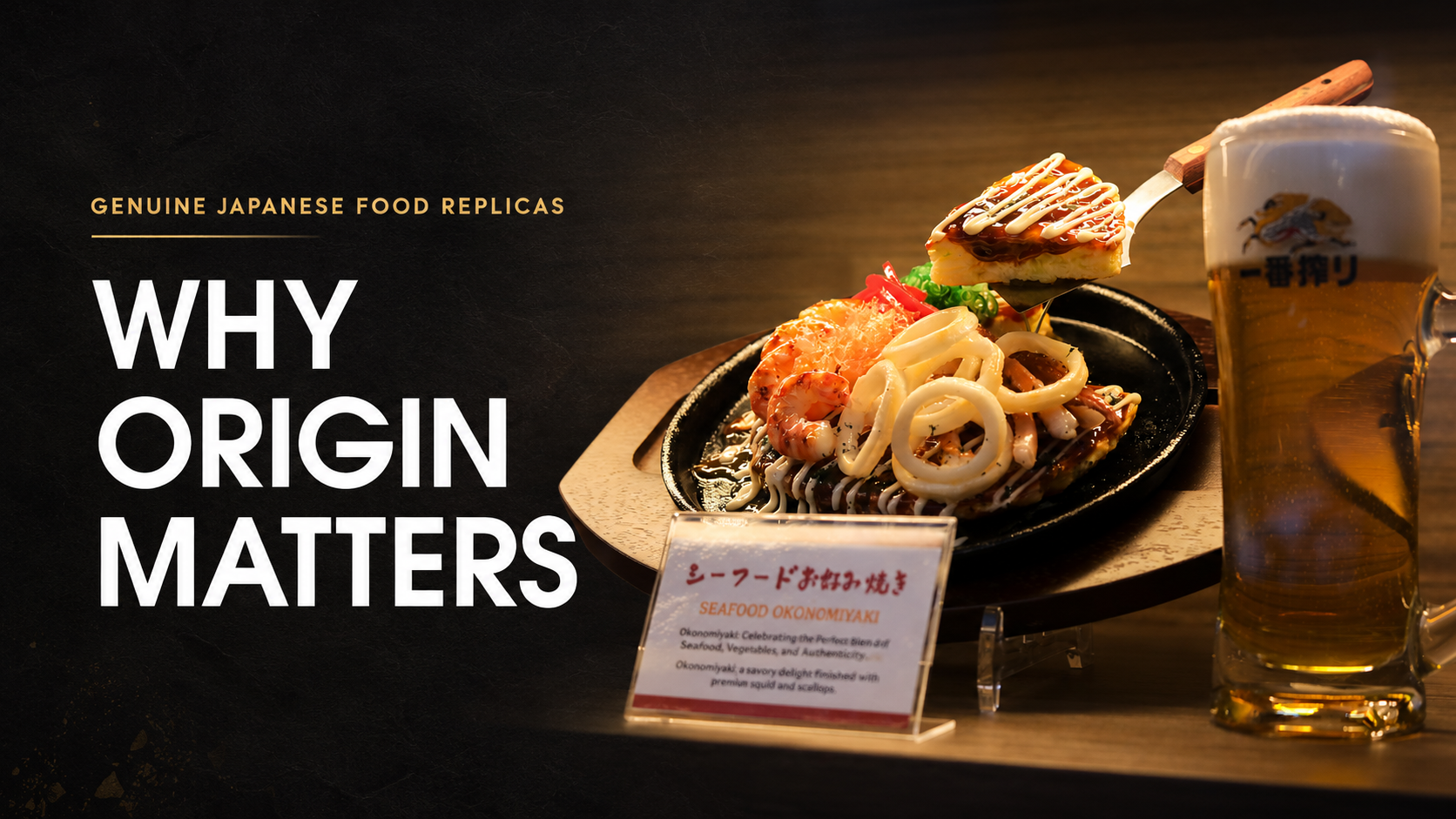
Not all fake food is made the same way, and the difference shows. Generic mass-produced replicas are poured from standard molds with thin paint, so they look generic up close and can yellow or warp within a year. Genuine Japanese food replicas are hand-sculpted from real dishes and hand-painted by artisans, so they read as real and hold their look for years. Where and how a replica is made decides whether it does the one job you bought it for: making someone believe they are looking at real food.
Key facts
- Genuine Japanese food replicas (shokuhin sampuru) are hand-sculpted and hand-painted, a craft dating to the 1930s.
- Generic mass-produced fake food is poured from standard molds and cannot match your specific dish.
- Iwasaki popularized the craft and remains its leading maker in Japan.
- Custom Food Replica is the authorized US distributor and official partner of Iwasaki, so US buyers get genuine craft, shipped nationwide.
Not all fake food is made the same
“Fake food” covers two very different products made in two very different ways.
At one end is generic, mass-produced display food: poured quickly from standard molds, finished with thin, flat paint, and sold in one-size-fits-nobody shapes. It is cheap to make, and it looks it up close, with visible seams, a plastic sheen, and often a chemical smell. It was never made to match your dish, because it was not made for you at all.
At the other end is genuine Japanese craft. Hyperrealistic food replicas, called shokuhin sampuru, are a Japanese art form nearly a century old. Each piece is molded from a real dish to capture true texture, cast in durable resin and silicone, then airbrushed and hand-painted by a trained artisan down to the char, the gloss, and the individual grains of rice. That is the tradition behind a replica that makes a passerby stop and reach out to check whether it is real.
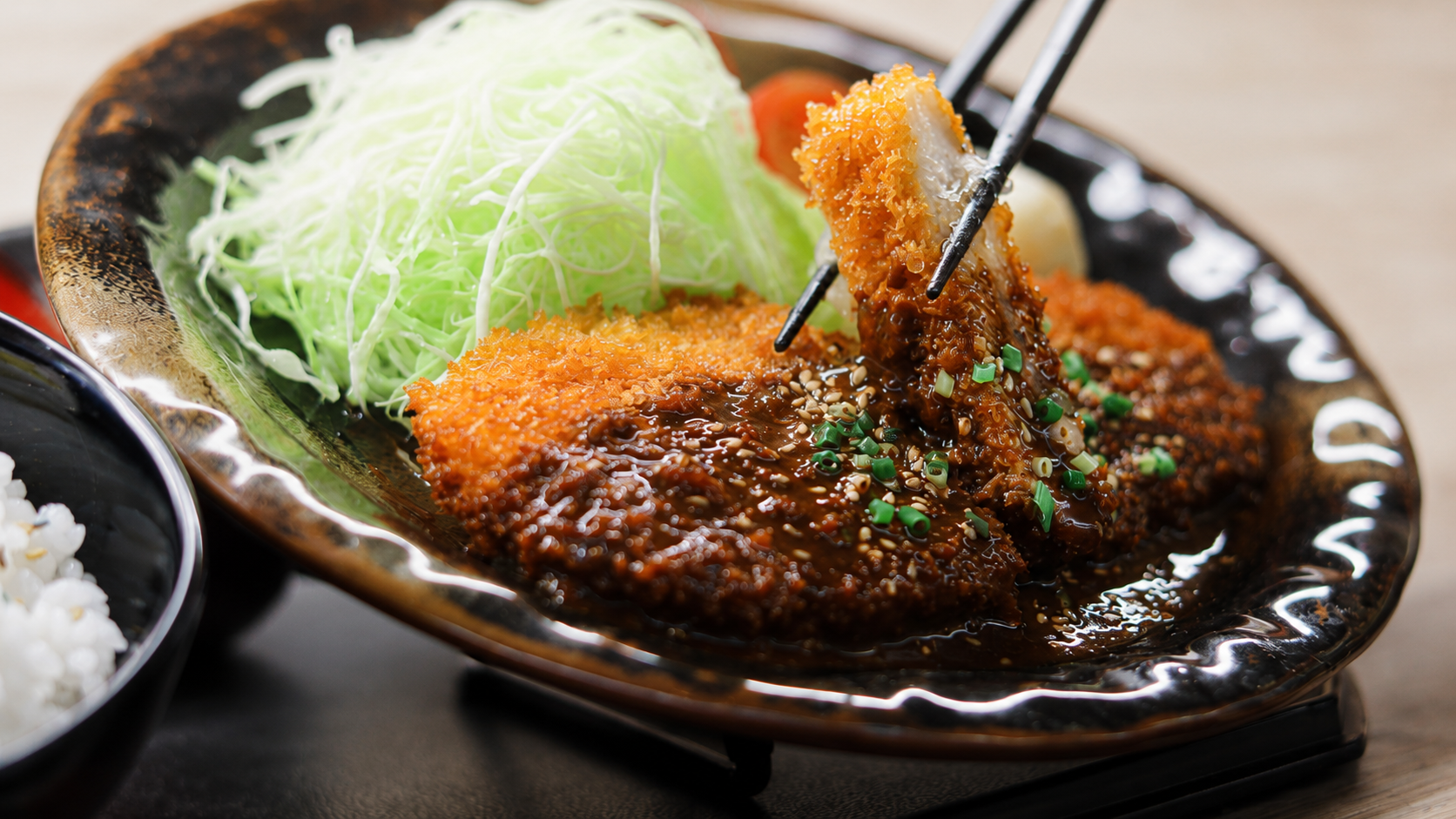
Generic mass-produced vs genuine Japanese craft
| Criteria | Generic mass-produced fake food | Genuine Japanese craft (Iwasaki) |
|---|---|---|
| How it is made | Poured in standard molds, thin flat paint | Hand-sculpted from real food, silicone-molded, hand-painted |
| Realism up close | Generic shapes, seams, flat color, odor | Matched to your exact dish, reads as real |
| Match to your menu | No, generic versions only | Yes, your specific plating |
| Materials and lifespan | Cheap plastic that can yellow, warp, and fade | Durable resin, PVC, and silicone; 3 to 5 years indoors, 10 years or more when well maintained |
| Provenance | Anonymous factory output | Iwasaki, the maker at the origin of the craft |
| True cost | A low base price that grows with freight, duties, and a short life | All-in from $400 per piece, with years of use |
The craft behind genuine replicas
Genuine food replicas come from a specific place and tradition. The craft began in Japan in the early 1930s, is usually credited to Takizo Iwasaki, and still centers on the town of Gujo Hachiman, where the best pieces are made largely by hand to this day. The realism that fascinates people, enough that these objects now appear in major art museums, comes from that human craft, not from a faster mold. You can read the full story in our guide to shokuhin sampuru.
This is why origin matters in practice. A replica made by a genuine sampuru maker is built to match a specific dish and to last; a generic piece is built to be produced cheaply and sold to anyone. Only the first one actually works as a display.
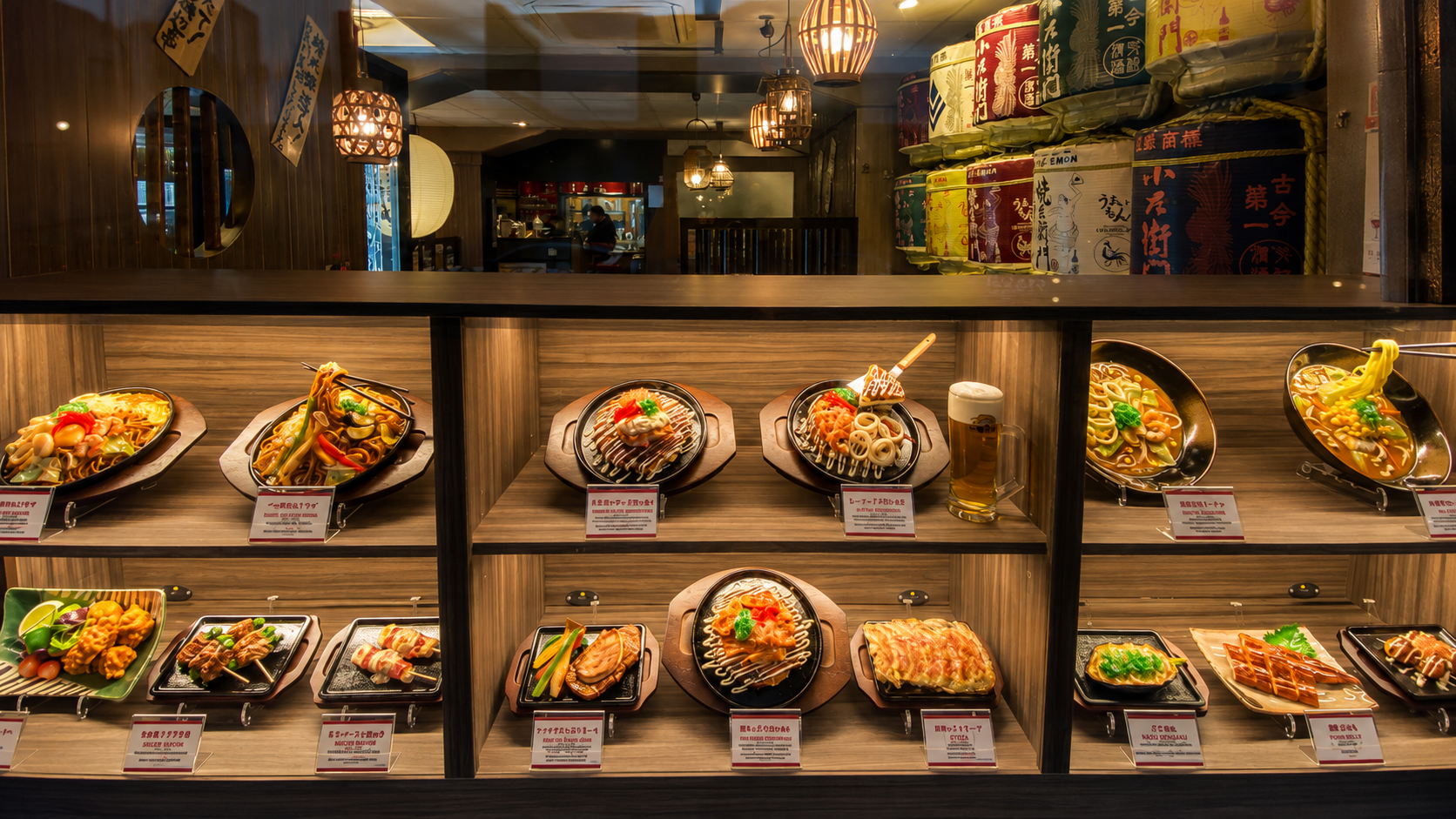
What genuine craft gets you
- Realism that holds up close, so your window or counter convinces people instead of looking like a toy.
- An exact match to your dish, your portion, your plating, your brand, rather than a generic stand-in.
- Years of life without yellowing, warping, or fading, when the piece is kept indoors and cared for.
- A piece worth the space it occupies, because it does the job a display exists to do.
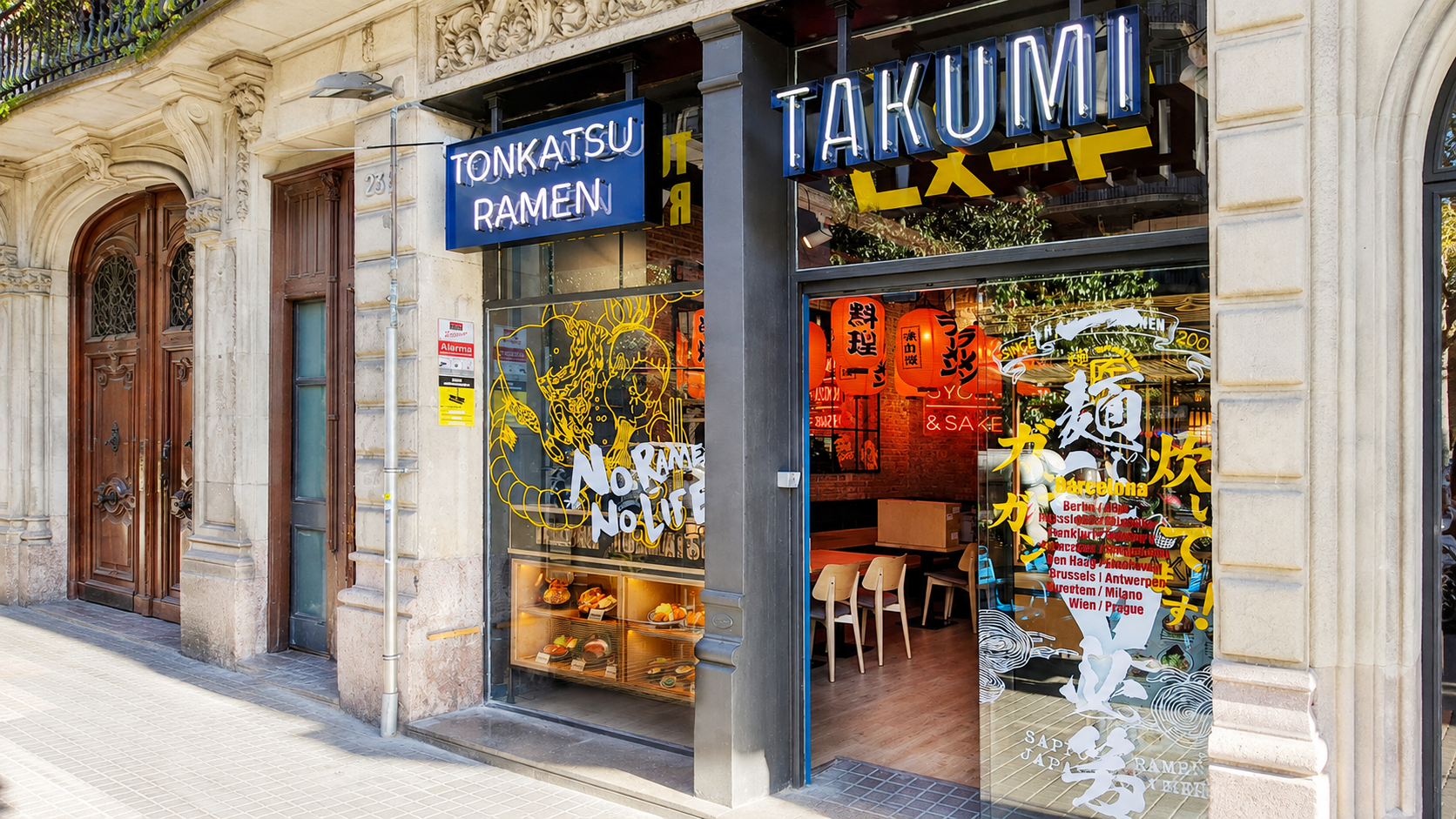
How to tell genuine from cheap
When you are evaluating any food replica, look for these signs of real craft:
- Hand-painted detail, with shading and highlights, not flat printed color.
- A match to your actual dish, not a generic version pulled from a catalog.
- Molded texture taken from real food, visible in the surface.
- Durable materials with an option for UV resistance if it will sit in sun.
- No visible seams and no chemical odor.
- A named, reputable maker, so you know where and how it was made.
The all-in pricing point
Cheap replicas win on the sticker and lose everywhere else. A low base price often balloons once international freight, customs, and duties are added, and then the piece degrades in a year and has to be replaced. Genuine craft priced all-in is the more honest number and usually the better value over time.
That is how we price. Custom Food Replica is the authorized US distributor and official partner of Iwasaki, so you get genuine Iwasaki craft, made in Japan, sold and supported here, and shipped nationwide across the United States. Pricing is all-in, including shipping and customs, and starts at $400 per piece, with the per-piece price coming down as an order fills our shipping containers. You get the real thing without the friction of importing it yourself. See the full cost breakdown, compare custom vs stock fake food, or browse our restaurant work.
One note on care: replicas are built for indoor display. Keep them out of direct all-day sunlight, dust them gently, and bring outdoor or food truck pieces inside after service. Most displays stay showroom-fresh for 3 to 5 years, and well-maintained pieces last 10 years or more.
The bottom line
Where your food replica is made decides whether it works. A generic piece poured from a standard mold will never match your dish or convince a customer, no matter how little it costs. A genuine, hand-crafted replica does both, and keeps doing it for years. For anything that represents your business, origin is not a detail. It is the whole difference.
Genuine Iwasaki craft, from $400 per piece all-in.
Made in Japan, matched to your dishes, shipped nationwide.
Frequently asked questions
- Are Japanese food replicas better than mass-produced ones?
- Yes, for anything seen up close. Genuine Japanese replicas are hand-sculpted and hand-painted to match a specific dish, while mass-produced pieces are poured from generic molds and give themselves away with seams and flat color.
- What are genuine food replicas made of?
- Durable resin, PVC, and silicone. A silicone mold is taken from the real dish, cast in resin, and then hand-painted, which is what makes the piece realistic and long-lasting.
- How can I tell a quality food replica from a cheap one?
- Look for hand-painted shading rather than flat color, an exact match to your dish, molded texture, no seams or chemical smell, and a named, reputable maker.
- Why does where a food replica is made matter?
- Because the method decides the result. Genuine craft is built to match your dish and hold its look for years, while generic production is built to be cheap and it looks and ages like it.
- Who makes CFR's food replicas?
- They are made by Iwasaki, the Japanese company at the origin of the shokuhin sampuru craft. Custom Food Replica is their authorized US distributor and official partner, handling US sales, shipping, and support.
- How much do genuine food replicas cost?
- Genuine custom replicas start at $400 per piece all-in, including shipping and customs, with the per-piece price decreasing at higher quantities. Each order is quoted to your dishes.
About the author
Custom Food Replica is the authorized US distributor and official partner of Iwasaki, the Japanese maker at the origin of the shokuhin sampuru food replica craft. We bring genuine Iwasaki-made food replicas to U.S. restaurants, food trucks, and retailers, each sculpted and hand-painted to match a client's exact dishes and shipped nationwide.
Sources
- JAPAN HOUSE Los Angeles and Wikipedia (Takizo Iwasaki): origin, history, and craft of shokuhin sampuru, and Iwasaki's role in it.
- Fake food buying guides (2026): quality indicators separating mass-produced pieces from handcrafted ones, including seams, finish, odor, and durability.